Ebola response faces setback as transit centre burns down in DR Congo camp
A transit centre for Ebola patients in DR Congo’s Ituri province was destroyed by fire, halting critical care for displaced communities amid ongoing violence and displacement.
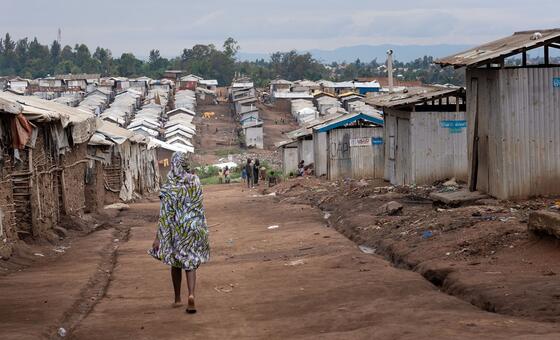
A key Ebola transit centre in Ituri province’s Kigonze camp was destroyed by fire, eliminating a critical facility for treating patients in a region already struggling with the outbreak. The blaze occurred as thousands fled the camp following reports of military operations and gunfire, leaving the area abandoned. The UN’s Ebola response coordinator, Julien Harneis, described the loss as devastating, noting it erodes hard-won progress and delays care for those in need. Authorities and the UN are now working to secure remaining health facilities to prevent further disruptions.
More than 3,000 people fled Rhoe displacement camp in Djugu territory after clashes on 27 September, with at least four killed and seven injured, according to OCHA. Fighting has severely restricted humanitarian access in Ituri, including health zones like Fataki, Drodro, and Lita, where Ebola response efforts are already constrained. Ongoing insecurity has delayed the transport of lab samples and the transfer of confirmed Ebola patients for treatment, forcing some aid groups to suspend activities.
Violence in North Kivu province killed two Ebola responders in Lubero on 27 and 28 September, while clashes in Masisi displaced over 24,000 people since mid-September. OCHA and partners have called for protection of civilians, displacement camps, and unhindered humanitarian access across multiple provinces. The violence has also spread to South Kivu and Tanganyika, further increasing displacement and humanitarian needs in the region.
The current Ebola outbreak, caused by the Bundibugyo virus, has spread across seven provinces since mid-May, with over 8,000 cases and 4,000 deaths reported. Ituri remains the epicentre, particularly around Bunia and Mongbwalu, where 346 confirmed cases and 149 deaths have been recorded since May. WHO reports that increasing bed capacity to over 1,800 across 54 facilities has been offset by a shortage of more than 1,400 health workers needed to sustain operations.