AI datacentres pose growing threat to electricity systems worldwide
UNECE warns AI datacentres are outpacing grid upgrades, risking blackouts and instability as energy demand surges faster than power infrastructure can adapt.
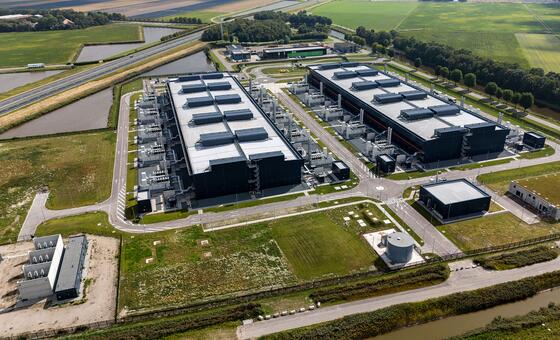
The United Nations Economic Commission for Europe (UNECE) has highlighted that the rapid expansion of AI data centres is straining global electricity systems, with consumption projected to nearly double by 2030. According to the International Energy Agency, data centre energy use could rise from 485 terawatt-hours in 2025 to 950 terawatt-hours by 2030, accounting for three per cent of global demand. Meanwhile, investment in data centre infrastructure is expected to grow much more slowly, from around $800 billion annually in 2026 to $1.8 trillion by 2050, exacerbating the imbalance between supply and demand.
UNECE warns that the mismatch between the speed of data centre construction and grid expansion poses serious risks to energy reliability. Large facilities can be built and connected within two to five years, but expanding transmission lines and grid infrastructure often takes more than a decade due to regulatory and construction delays. This lag increases the likelihood of voltage fluctuations, unintended disconnections, and cascading power failures, particularly in systems reliant on renewable energy sources.
The volatility of AI data centre electricity demand further complicates grid management, as renewable energy systems struggle to adjust in real time to sudden spikes. Several countries have already implemented measures to mitigate overloading, including Ireland, which has imposed connection restrictions in Dublin, and the Netherlands, which has limited where data centres can be built. These steps reflect growing concerns about the strain on national power networks.
UNECE also identifies unresolved challenges in funding grid upgrades and regulating data centre locations. There is no consistent framework for sharing the costs of necessary infrastructure improvements among developers, utilities, and consumers. Additionally, environmental regulations remain fragmented, and regulators lack real-time data on facility energy use, hindering effective grid planning and oversight.