Strait of Hormuz disruption hits energy, fertilizer and industrial trade
Disruptions in the Strait of Hormuz have caused significant declines in global exports of energy, fertilizers, and industrial products, with natural gas exports falling by 95% and urea by 83%, according to the International Trade Centre (ITC).
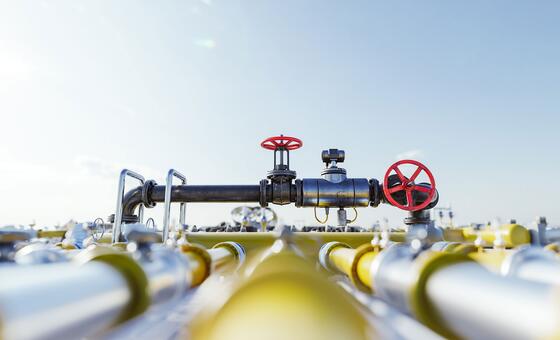
The Strait of Hormuz, a critical maritime chokepoint, has seen a 95% drop in natural gas exports and an 83% decline in urea shipments, according to analysis by the International Trade Centre (ITC). The disruption, linked to regional military escalation since late February, has reduced commercial passage, raised transport and insurance costs, and impacted trade flows globally. The ITC’s analysis covers 12 key energy, fertilizer, and industrial products, including crude oil, liquefied natural gas, and methanol, with export volumes falling sharply across all categories between April 2025 and April 2026.
Export volumes for the 12 products combined declined by 54%, with liquefied natural gas experiencing the steepest contraction at 95%. Urea exports fell by 83%, methanol by 80%, and ammonia by 75%. Polymers of propylene, used in plastic packaging, saw the smallest decline at 24%. The largest absolute losses were in crude petroleum oil (28 million tonnes), refined petroleum oils (7.3 million tonnes), and liquefied natural gas (5.5 million tonnes). The ITC noted that while export values were influenced by commodity price fluctuations, the physical volume declines highlight the severity of trade disruptions.
Importing markets experienced uneven impacts depending on their reliance on Hormuz-dependent suppliers. Japan, which sourced 91% of its crude petroleum oil imports from these economies, saw a 64% decline in total imports. The Republic of Korea and Malaysia also faced significant reductions. In contrast, Thailand recorded a 62% increase in imports as refiners secured additional cargoes from alternative suppliers. Alternative suppliers increased shipments for 10 of the 12 products, but these gains only fully offset lower imports for ammonia and polymers of propylene by April.
The ITC’s analysis also examined trade measures adopted in response to the disruption, including policies aimed at ensuring adequate access to supplies, particularly crude and refined oil. The report suggests that while trade diversion has begun, it has not fully replaced disrupted supplies, as some markets may have relied on inventories, strategic reserves, or reduced consumption to mitigate the impact.