Food prices edged up in July amid heatwaves and energy price hikes
Global food prices rose 1% in July year-on-year, driven by heatwaves, energy price increases, and geopolitical disruptions, according to the UN Food and Agriculture Organization.
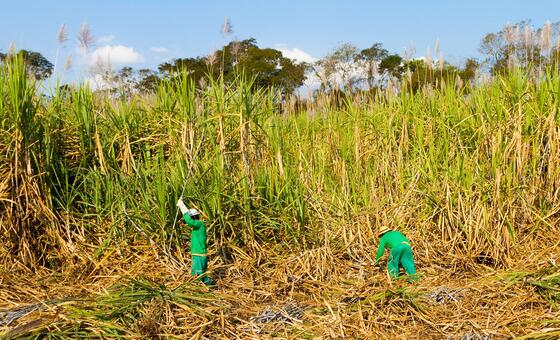
The UN Food and Agriculture Organization reported a 1% increase in July’s staple food basket compared with a year ago, with sugar prices surging 5.6% due to concerns over hot and dry weather in the European Union and El Niño-related conditions in Asia. Cereals also rose 3.4% from June, reversing earlier declines, while wheat prices climbed 5.8% amid disruptions to Black Sea exports linked to the Russian invasion of Ukraine and heatwave impacts on yields in multiple countries.
Maize prices increased by 3.6% in July, driven by concerns over hot and dry conditions in parts of the United States and higher energy prices amid geopolitical tensions. The vegetable oil price index reached its highest level since June 2022, rising 2%, attributed to demand from Indonesia’s biodiesel sector and elevated crude oil prices, though sunflower and rapeseed oil prices declined.
In Malawi, UN-backed food insecurity experts reported a notable improvement in hunger levels compared with the previous two years, following a strong 2025/26 harvest after severe El Niño impacts in 2024/25. However, 1.9 million people remain in crisis-level food insecurity, with the situation expected to worsen during the October 2026 to March 2027 lean season.
The IPC update warned that high food prices, inflation, and below-average staple production are driving acute food insecurity in Malawi, while forecasts of a strong El Niño during the 2026/27 rainy season highlight the need for continued monitoring to prevent further deterioration.