Haiti ramps up the fight against gangs in the capital, but violence spreads elsewhere
Haiti’s gang violence spreads beyond Port-au-Prince despite intensified anti-gang operations, with 1,408 killed and 656 injured from April to June, according to the UN. Survivors in Kenscoff report a massacre of 47 people as gangs expand into new areas.
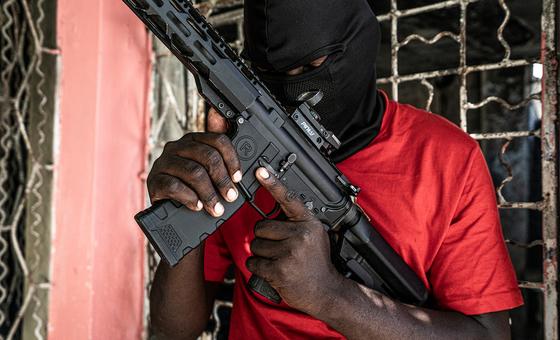
The UN reported at least 1,408 deaths and 656 injuries in Haiti from April to June, a 14% decline from the previous quarter, though violence persists outside the capital. In Kenscoff, armed groups killed 47 people and wounded 22 in a weekend attack, marking one of the deadliest recent incidents in the once-peaceful area. The massacre highlights the expanding reach of gangs beyond Port-au-Prince, where security operations have displaced violence rather than eliminated it. Survivors described homes set ablaze and bodies left in the streets as armed men targeted residents and searched for missing relatives.
Security operations in Port-au-Prince, including the use of explosive drones by a government task force, have reduced gang activity in some areas like Delmas and Tabarre. However, the pressure has pushed violence into other regions, such as the Plaine du Cul-de-Sac and Cité Soleil, where clashes killed 463 people and displaced over 18,000 residents. Health and education services were suspended in these areas, while gangs fought over control of strategic roads linking the capital’s port and oil terminal to northern Haiti. The UN noted that gang members displaced by operations in the capital contributed to the escalation in these new conflict zones.
Outside Port-au-Prince, gangs continued to expand into previously unaffected areas, including the Artibonite region and around Séguin, where the Village de Dieu gang carried out raids. The UN attributed these incursions to efforts to secure new revenue sources, such as controlling roads leading to the port of Marigot. The assault on Kenscoff, a hillside community repeatedly targeted since last year, underscores the difficulty of containing gang expansion. The UN documented at least 796 cases of gang-related rape during the quarter, with survivors often facing multiple perpetrators and severe stigma.
The UN also reported a sharp rise in kidnappings, with 81 abductions for ransom, while security operations resulted in over 800 civilian casualties, including 95 killed or wounded by explosive drones. The UN noted no investigations into casualties from these operations, including those involving a foreign private military company. With nearly 1.47 million internally displaced people, including over half children, the report suggests the challenge extends beyond retaking neighborhoods in Port-au-Prince as gangs adapt and civilians bear the brunt of the violence.