As wars spread, the global food system unravels
The UN warns that escalating conflicts are disrupting global food systems, driving hunger and fueling further violence, with famine confirmed in Sudan and Gaza and acute food insecurity affecting 266 million people in 2023.
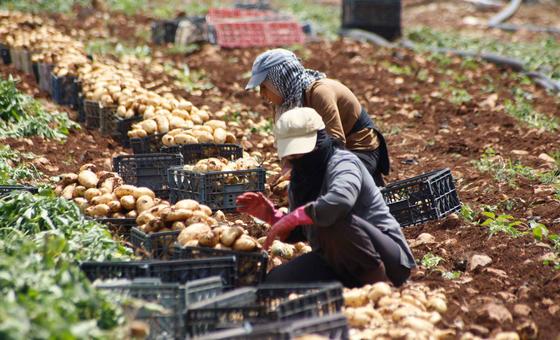
A Somali family fled their farm after armed groups demanded payments, walking 100 kilometers to a displacement camp where one child died. The World Food Programme’s acting chief described this as part of a “vicious conflict-hunger cycle,” where war and hunger reinforce each other. In Somalia, farmers are displaced; in Sudan, markets are targeted; and in Haiti, gangs isolate communities, preventing humanitarian access. The UN Secretary-General told the Security Council that critical food systems—farms, ports, and supply routes—are under attack, with famine confirmed in Sudan and Gaza for the first time this century.
Conflict now drives hunger in 12 of 13 UN-designated hot spots, and attacks on key trade routes like the Black Sea and Red Sea are raising food prices globally. Grain shipments through the Bosporus are down 40% from last year, while restrictions in the Strait of Hormuz have pushed commodity prices higher. The World Food Programme’s Carl Skau described three maritime choke points—Black Sea, Red Sea, and Strait of Hormuz—as crisis zones where disruptions ripple through energy, fertilizer, and food markets, increasing costs for import-dependent countries.
In Sudan, food costs have risen nearly 40% since February, while fuel price hikes affect irrigation, transport, and milling. Disruptions to fertilizer exports threaten future harvests across Africa and Asia, meaning today’s conflicts may worsen food insecurity in coming seasons. The World Food Programme is assisting only 600,000 of the 6 million Somalis facing acute hunger, with fighting in Baidoa blocking aid to 5,000 children. Hunger also makes displaced communities vulnerable to recruitment by armed groups, deepening the cycle of violence.
The UN Security Council recognized this cycle in 2018 with Resolution 2417, yet the problem persists. The UN Secretary-General urged the Council to protect food systems and act before hunger reaches catastrophic levels. Humanitarian agencies, facing shrinking resources and more conflicts, are struggling to prevent famine despite improved early warning systems. The result is a growing gap between prediction and prevention, leaving more people at risk of starvation.