UN agencies warn humanitarian system in Sudan ‘could collapse’
UN agencies warn Sudan’s humanitarian system faces imminent collapse due to severe funding shortages, risking the lives of millions amid ongoing conflict and displacement.
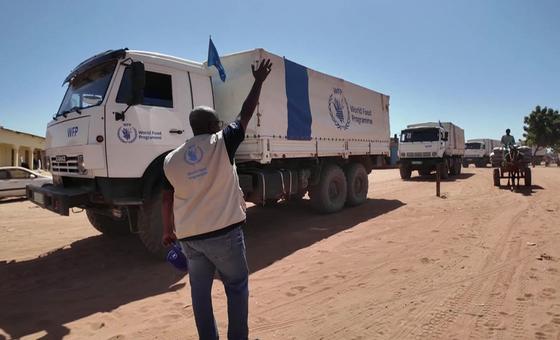
UN aid agencies warned on Monday that Sudan’s humanitarian system could collapse within weeks if funding shortfalls are not addressed, despite the country hosting one of the world’s most severe hunger and displacement crises. The International Organization for Migration (IOM) and the World Food Programme (WFP) highlighted that their ability to deliver aid is critically constrained by insufficient resources, threatening to halt operations entirely. Humanitarian workers described the situation as dire, with millions displaced and widespread food insecurity exacerbated by climate-related disruptions and ongoing conflict.
The Common Humanitarian Pipeline, managed by IOM, has supported over 2.84 million people since July 2023 but is now at risk of shutting down due to dwindling donations. WFP reaches 4 to 5 million people monthly but operates at half rations and faces imminent cuts if additional funding is not secured. Agencies warned that essential supplies, including shelter and sanitation materials, will run out by September, while warehouses may close by December without immediate financial support.
The conflict between the Sudanese Armed Forces (SAF) and the Rapid Support Forces (RSF) continues to displace thousands, with recent drone strikes in Blue Nile, North Darfur, and West Darfur forcing civilians to flee. Local reports confirmed civilian casualties, while cities like El Obeid, a refuge for displaced people, are now encircled by the RSF, straining already overburdened camps and services. The UN’s aid office (OCHA) reiterated calls for parties to the conflict to protect civilians and allow unrestricted humanitarian access.
During an eight-day visit to Sudan, WFP Acting Director Carl Skau witnessed extreme hardship, including families walking days to reach camps and communities living in makeshift shelters. In El Fasher, he described a city devastated by an 18-month siege, underscoring the urgency of ending the conflict. Agencies stressed that without adequate funding, risks of gender-based violence, family separation, and eviction from camps will rise, while IOM requires $15 million to maintain minimum operations for a year.