South Sudan: UNICEF reaches communities cut off by conflict in Jonglei state
UNICEF delivered critical aid to conflict-isolated communities in South Sudan’s Jonglei state, where over 40% of children face acute malnutrition amid ongoing clashes.
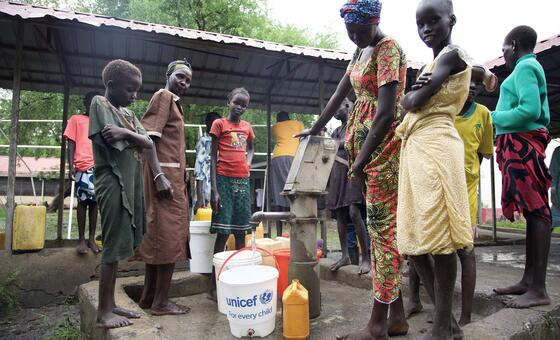
UNICEF and partners reached families in Jonglei state, South Sudan, where armed conflict between government and opposition forces has cut off humanitarian access for months. Clashes, displacement and unsafe routes have forced health facilities to close, leaving communities without healthcare, safe water and nutrition support. UNICEF described access challenges as leaving "the lives of mothers and their children hanging in the balance."
The agency delivered more than eight tonnes of supplies to Wiechjol and Waat through its Rapid Response Mechanism, including therapeutic food, water treatment kits and medical supplies. Teams screened 1,666 children under five for acute malnutrition, admitting 146 to treatment and referring 602 with moderate cases for follow-up care. Caregivers received counselling on improving infant nutrition.
UNICEF reported that global acute malnutrition rates in Akobo West exceed 40%, among the highest in the country, based on SMART surveys. Health teams provided primary care to 1,241 patients, including 250 children under five, treating malaria, respiratory infections and diarrhoea. Water, sanitation and hygiene teams distributed filters and supplies to 1,200 families and hygiene kits to 200 women and girls.
UNICEF warned that damaged water infrastructure, poor sanitation and limited healthcare access continue to drive preventable childhood illness. Ongoing conflict raises risks of family separation, gender-based violence and child recruitment. The agency stressed that while aid reached families for the first time in months, conditions remain precarious if access constraints persist.