UN aims to raise nearly $50 million for Nepal flood response
The United Nations launched a $49.6 million appeal to assist over 84,000 people in Nepal affected by catastrophic floods triggered by a glacier collapse, which killed more than 1,250 and displaced thousands.
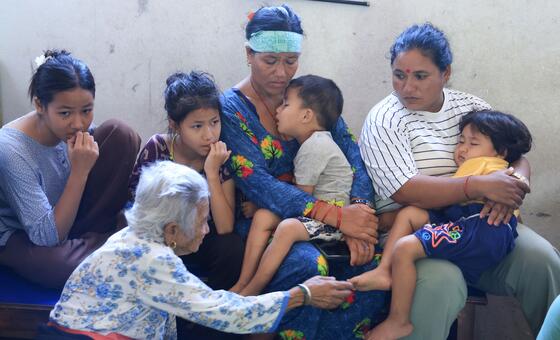
The UN and humanitarian partners launched a $49.6 million flash appeal to provide emergency aid to more than 84,000 people impacted by recent floods in Nepal, caused by a glacier collapse on the border with China. The disaster has resulted in over 1,250 deaths and left thousands missing, with critical infrastructure such as roads, schools, and power grids severely damaged in northern regions like Rasuwa, Nuwakot, and Dhading. Survivors face loss of homes, livelihoods, and family members, prompting urgent relief efforts to restore essential services and support recovery before winter conditions worsen.
The UN aims to deliver cash assistance, shelter materials, food aid, and medical support to affected communities, working alongside Nepali authorities. Efforts include revitalizing local economies, restoring power, preventing disease outbreaks, and preparing residents for winter. Humanitarian teams will provide portable solar units, water purification systems, and emergency mobile clinics to address immediate needs and long-term resilience in the hardest-hit areas.
The UN Resident Coordinator in Nepal emphasized the severity of losses, stating families have lost homes, loved ones, and livelihoods. The appeal prioritizes reaching remote communities with cash, shelter, healthcare, clean water, and protection before winter access becomes restricted. Aid will also support agriculture-dependent livelihoods, including livestock, to help communities survive the disaster’s economic impact.
UNICEF and other UN agencies are already supporting rescue operations and distributing supplies, including a recent flight carrying 84 metric tonnes of humanitarian aid to Kathmandu. UNICEF’s supplies include medical kits, hygiene materials, and winter clothing to protect health and wellbeing. The agency has established child-friendly spaces and allocated emergency resources, stressing that sustained support is critical for children’s recovery, health, and return to learning in the coming months.