Ten years of Arm and micro:bit: Building the next generation of technology innovators
Arm and the Micro:bit Educational Foundation celebrate a decade of a programmable computer distributed to 12 million devices across 85 countries, fostering digital skills and confidence among young learners globally.
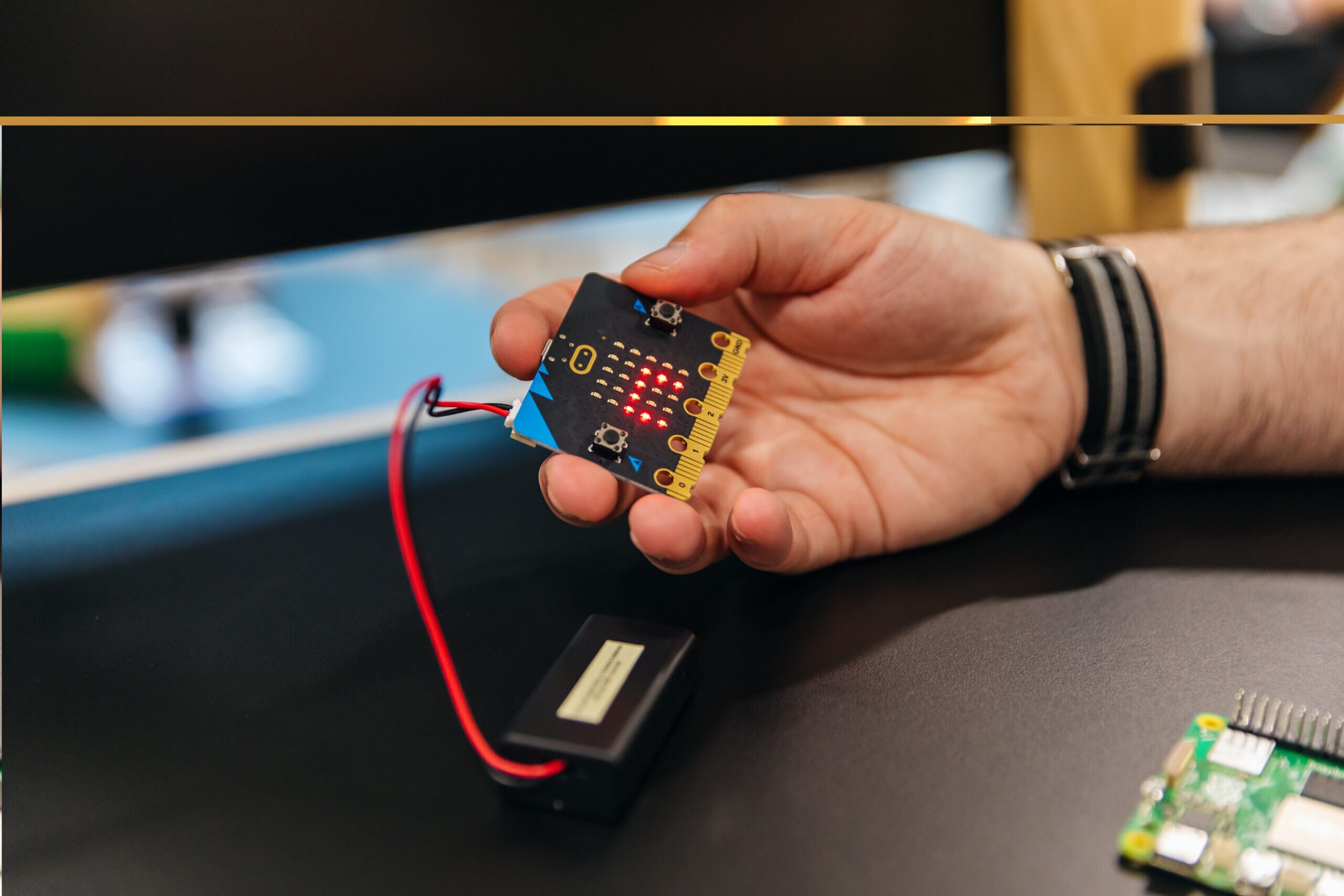
In 2016, the BBC micro:bit launched as a programmable computer designed to help 11- and 12-year-olds in the UK understand and create technology rather than just consume it. Developed through a collaboration involving the BBC, Arm, Nordic Semiconductor, NXP, Microsoft, and Samsung, one million devices were distributed to schools and libraries. Arm later established the Micro:bit Educational Foundation to expand access worldwide, with an estimated 12 million devices now in use across over 85 countries.
The micro:bit integrates Arm Cortex-M processors and development tools, enabling students to write code and see immediate physical results through features like programmable buttons, sensors, and an LED display. This hands-on approach has engaged approximately 73.5 million learners, many of whom took their first steps in coding or engineering. Educators receive free resources, including lesson plans and professional development, to support inclusive digital learning.
Research cited by the Micro:bit Educational Foundation indicates strong early impact: 90% of UK participants in the first year reported the device helped them see coding as accessible, while 88% found it less difficult than expected. Arm emphasizes that closing digital skill gaps requires more than access—it demands equitable opportunities for all learners, particularly girls, children with disabilities, and underserved communities.
Looking ahead, Arm and partners are expanding AI literacy initiatives, such as UNICEF’s Tinkering with Tech and AI program, which combines physical computing with AI education. Piloted in countries like Honduras and Vietnam, the program aims to equip students and teachers with skills to critically engage with AI and apply technology to local challenges, reinforcing the goal of empowering young people as creators, not just consumers.