Looking for a Crypto Payment Gateway Without KYC? Read This First
A CoinGate explainer warns EU merchants that crypto payment gateways advertising no KYC typically omit business checks required by law, exposing them to bank delays, account closures and regulatory risk.
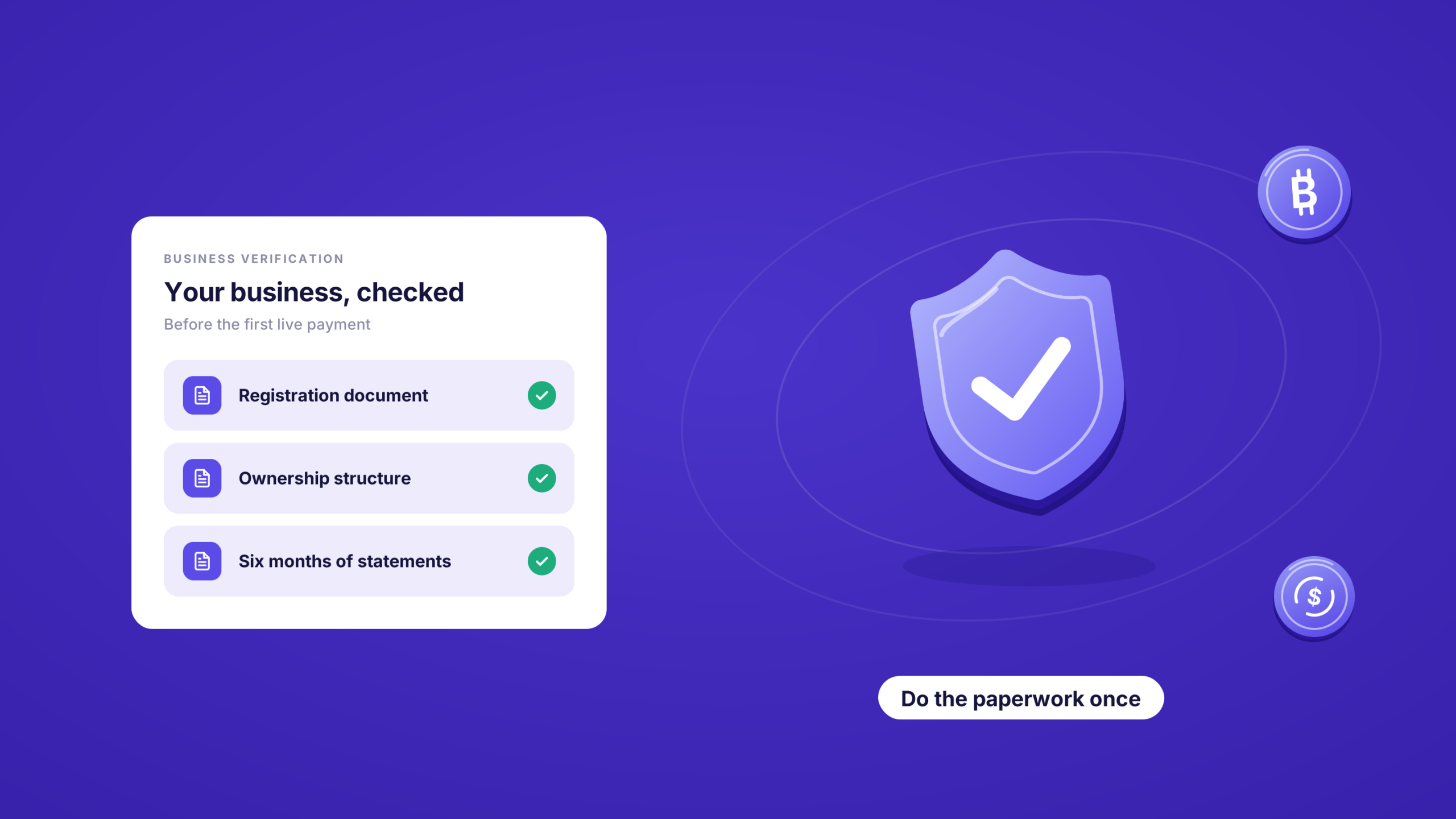
Crypto payment gateways that market themselves as “no KYC” often mean they skip business identity checks rather than customer checks, leaving merchants exposed to later compliance demands from banks and regulators. Under EU rules that took full effect in 2026, crypto-asset service providers must verify the businesses they serve, including ownership and activities, or risk operating without a valid licence.
A provider without proper onboarding can still trigger reviews after large payments or withdrawals, forcing merchants to produce months of bank statements while funds are held, a worse experience than completing checks up front. Coinbase closed its Commerce portal in March 2026 after operating without business checks, telling non-US and non-Singapore merchants to move to alternative providers and rebuild their checkout integrations.
EU regulations require providers to identify the businesses they work with, including beneficial owners and business activities, and to hold an authorisation under MiCA; ESMA maintains a public register of licensed providers for merchants to verify. Merchants should look for providers that publish the required document list, check documents in real time using AI, and allow API key creation during review to keep integration timelines short.
CoinGate’s onboarding now reviews uploaded business registration and bank statements in 10 to 30 seconds using AI, flagging errors immediately so merchants can correct files without waiting days; the compliance team still makes the final approval decision before live payments begin.