How data and AI are transforming manufacturing workflows
Autodesk describes AI as a foundational shift in manufacturing, enabling connected workflows that integrate data, people, and processes to address evolving market demands and supply chain changes.
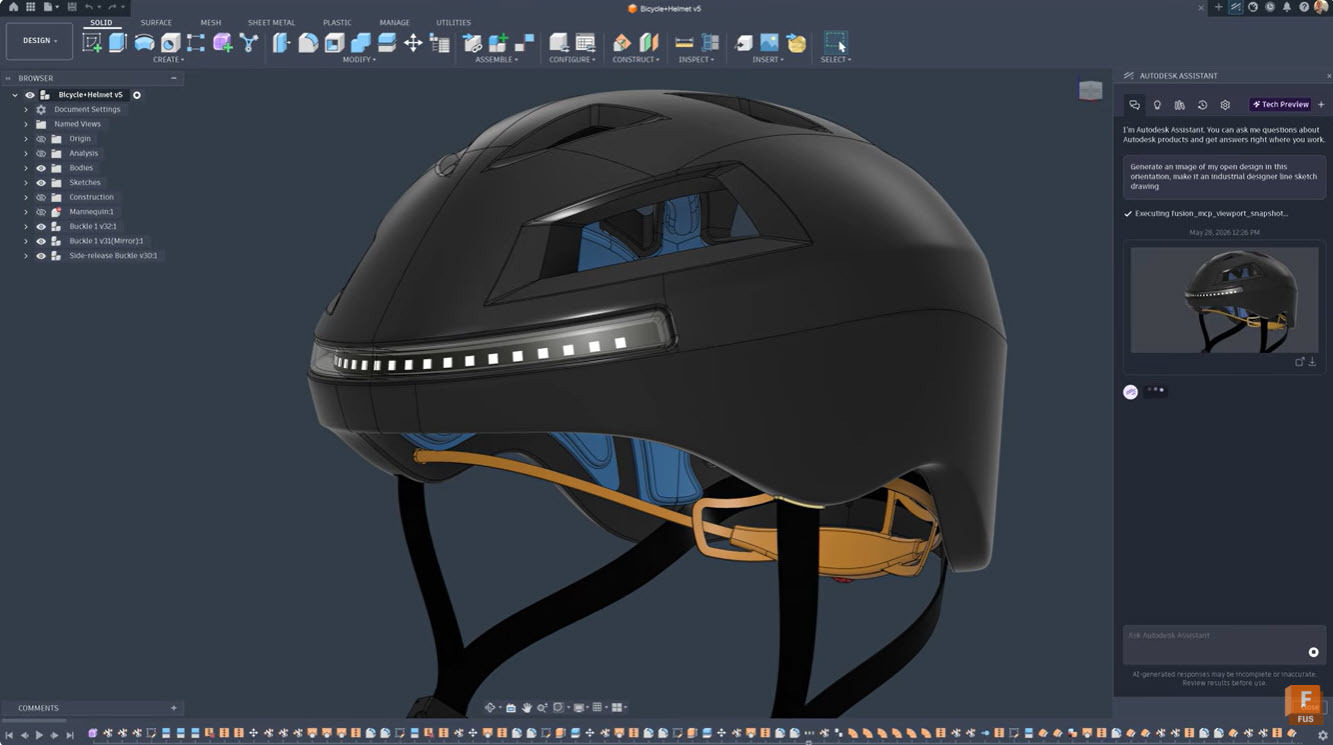
Manufacturing faces rapid shifts driven by market demands, supply chain adjustments, and rising customer expectations. Autodesk argues that stability in this environment requires a unified, intelligent system that links data, workforce, and operational processes. The company positions AI not as a supplementary tool but as a core operating model reshaping how products are designed, engineered, and delivered across industries. This transformation is described as an ongoing progression rather than a single event, reflecting a fundamental change in industry practices.
Autodesk outlines a three-stage framework to guide manufacturers through this transition, focusing on incremental customer outcomes. The stages are designed to help businesses adapt gradually while leveraging AI-driven insights to improve efficiency and decision-making. The company emphasizes that the shift is iterative, with each stage building on the previous to achieve long-term stability and competitiveness in a changing industrial landscape.
The framework highlights practical applications of AI in manufacturing, such as optimizing production schedules, reducing waste, and enhancing product quality through real-time data analysis. Autodesk suggests that manufacturers adopting this approach can respond more swiftly to disruptions and align their operations with evolving market needs. The company’s model prioritizes scalability, allowing businesses of varying sizes to integrate AI at a pace that suits their capabilities and resources.
Industry analysts note that manufacturers integrating AI into their workflows often see measurable improvements in operational agility and cost management. Autodesk’s three-stage model is positioned as a roadmap to help companies navigate this transition, with an emphasis on collaboration between human expertise and machine-driven processes to drive innovation and resilience in manufacturing ecosystems.