What is a Colocation Data Center? Types, Benefits, & Choosing the Right Facility
Colocation data centers offer businesses a cost-effective alternative to building private facilities by renting space, power, and connectivity in shared infrastructure hubs, addressing rising demand and energy constraints.
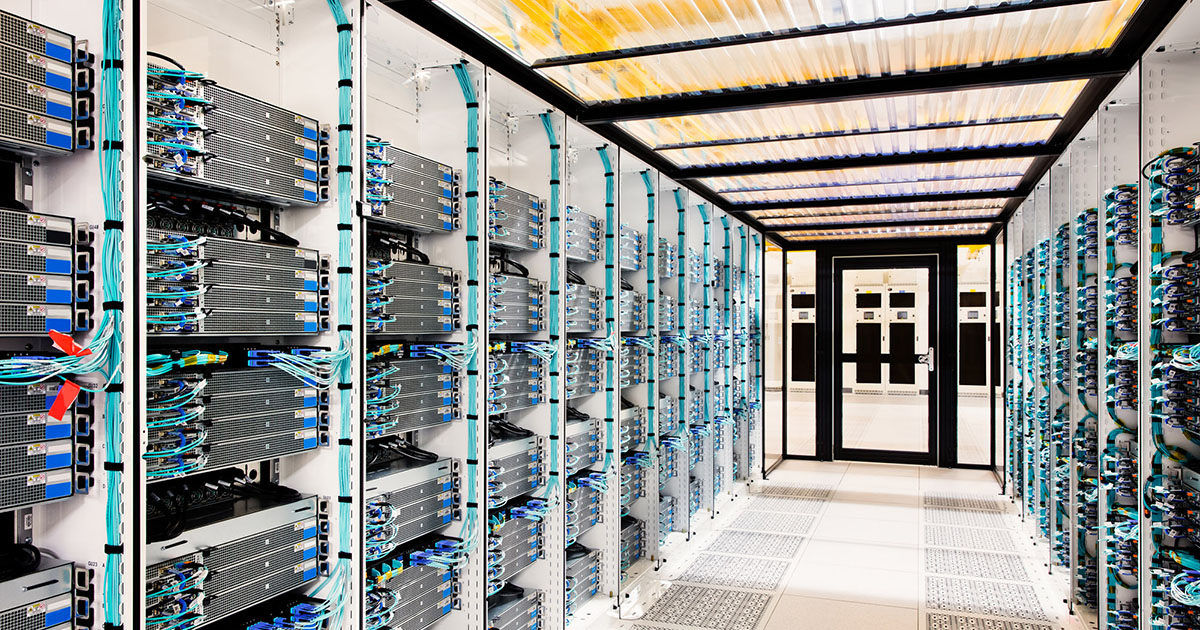
Servers powering digital interactions require physical space, power, cooling, and connectivity to operate without interruption. Building and maintaining a private data center is expensive and time-consuming, often taking years to permit and construct, while power availability has become a major bottleneck due to growing demand, particularly from AI workloads. Colocation data centers provide a solution by allowing businesses to rent space—from a single rack to entire rooms—within shared facilities managed by providers who handle power, cooling, security, and network connectivity. Customers retain ownership of their hardware and software, reducing capital and operational costs while gaining access to professional-grade infrastructure.
These facilities prioritize reliability through physical and digital security measures, including surveillance, cooling systems, and backup generators to prevent downtime. Scalability is another key advantage, enabling businesses to adjust space, servers, and bandwidth as needed without long-term commitments. Colocation also supports interconnection, allowing private data exchanges between systems and cloud providers within the facility, which can improve performance and security. These benefits make colocation an attractive option for companies seeking agility without the overhead of self-managed data centers.
Colocation data centers fall into three primary categories: enterprise, colocation, and hyperscale facilities, each serving distinct business needs. Enterprise data centers are built and operated in-house for maximum control, while hyperscale cloud data centers provide rented computing power without hardware management. Colocation strikes a balance by offering rented space with customer-owned equipment, ideal for businesses that want control over their infrastructure without the cost of building and maintaining a facility.
Cost, reliability, scalability, and interconnection capabilities are critical factors when selecting a colocation provider. Pricing varies based on space, power, bandwidth, and location, with some facilities offering fixed monthly rates or usage-based plans. High-tier data centers provide redundancy and uptime guarantees, while low-tier options may lack these features. Interconnection methods, such as cross-connects and cloud connectivity, further enhance performance and security, making it essential to evaluate a facility’s infrastructure to align with business requirements.