Why data centers are turning to onsite power
Data center developers face growing local opposition over electricity costs, pollution, and grid strain, prompting a shift toward onsite power solutions to address community concerns.
Nearly 30% of data center developers report heightened community scrutiny in the past six months, with over 70% of Americans opposing nearby AI data centers, according to a March Gallup survey. Local opposition has already blocked or delayed $64 billion in projects, driven by worries over rising electricity prices, air and noise pollution, and water and grid strain. A 2026 Mid-Year Data Center Power Report highlights a gap between developer outreach and community priorities, with only a third addressing grid support or water use despite these being top concerns nationwide.
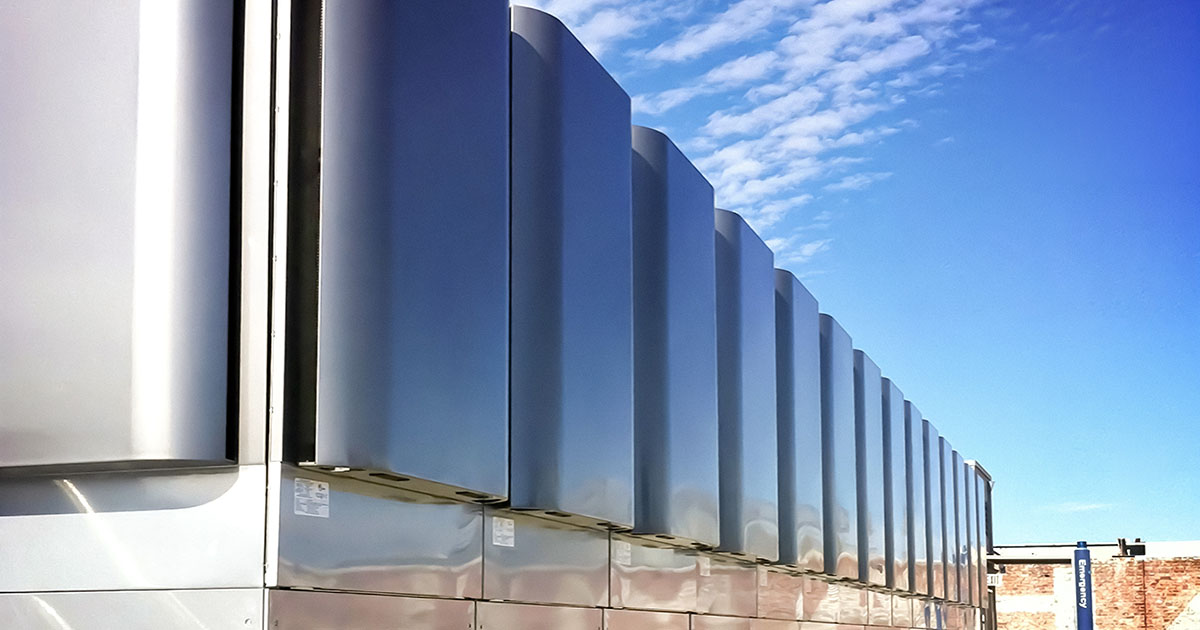
Onsite power generates electricity at the data center location, using technologies like fuel cells, natural gas engines, or turbines. Most legacy systems rely on combustion, producing exhaust, noise, and air pollutants that exacerbate community concerns. Fuel cells, however, convert natural gas, hydrogen, or biogas into electricity without combustion, offering a cleaner alternative. This approach can stabilize local electricity prices by disconnecting from the grid, reducing strain on transmission infrastructure and minimizing blackout risks during extreme weather, which is increasingly common due to rising temperatures.
Some onsite power systems, particularly certain fuel cells, require minimal or no water during operation, addressing another major community concern. While fossil fuel and nuclear systems do consume water, fuel cells can drastically reduce usage compared to legacy generators. Data centers can further lower emissions by integrating carbon capture, utilization, and storage (CCUS), with 41% of US onsite power users expected to adopt CCUS by 2035. These technologies collectively help mitigate environmental impacts that have fueled local opposition to data center projects.
About a third of US data centers are projected to operate entirely on onsite power by 2030, reshaping project planning and community engagement strategies. This shift aims to deliver economic benefits to communities while addressing their environmental and infrastructure concerns. The 2026 Mid-Year Data Center Power Report provides further insights into these trends and the role of fuel cells in supporting sustainable data center growth.