Here's why your energy bills are going up
Rising energy bills stem from grid upkeep costs, climate-driven disasters, interest rates, and geopolitical conflicts, with recent policies further inflating prices.
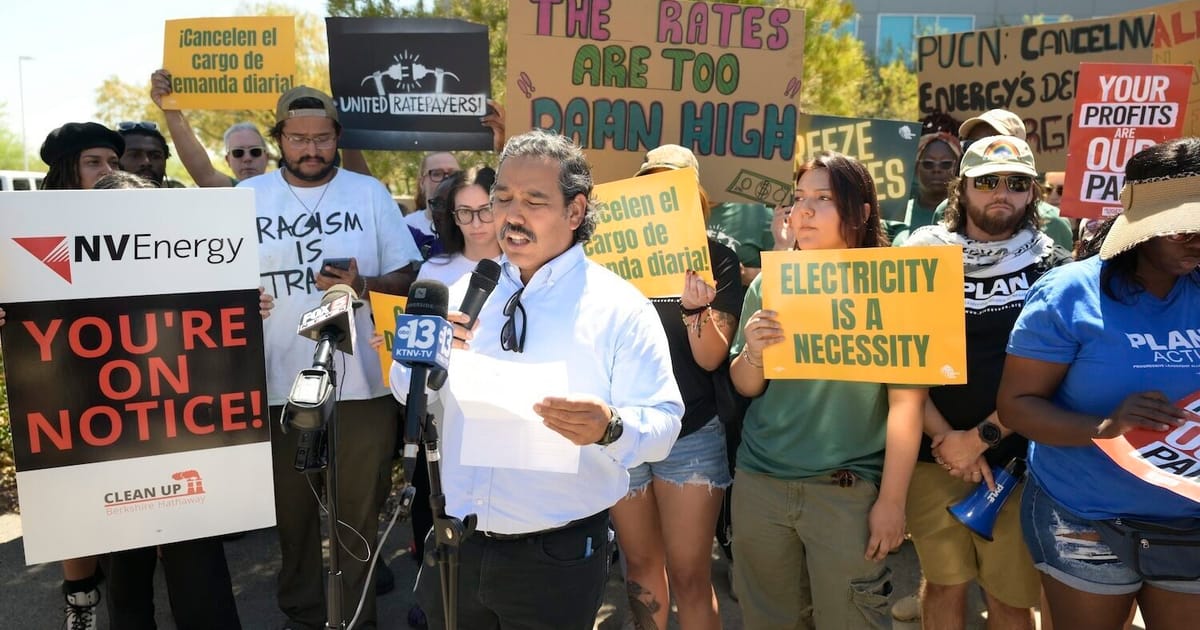
Election campaigns in Virginia, New Jersey, and Georgia highlighted energy affordability as a central issue, with Democrats winning in each contest. Oil prices have surged nearly 60% since the start of the year due to Middle East disruptions, while diesel prices have climbed even higher. Utilities have requested over $18 billion in rate increases in 2025, setting a potential record for such requests. Political rhetoric often oversimplifies the problem, blaming opponents or data centers rather than addressing underlying structural causes.
Structural problems like aging grid infrastructure, climate-driven disasters, and higher interest rates have driven up energy costs for years. Natural disasters increasingly threaten the grid, while rising financing costs delay critical upgrades. Supply chain constraints for essential equipment, such as high-voltage transformers, have also extended project timelines and inflated expenses.
President Trump’s policies have directly impacted energy bills through fuel price spikes and reduced consumer incentives. The war with Iran has restricted oil and gas flows, pushing gasoline to $4.36 per gallon and diesel to $6.53. Tax credits for electric vehicles, heat pumps, and rooftop solar were stripped, while clean energy funding for low-income communities was frozen.
Federal interference has further constrained affordable energy options. Offshore wind projects were blocked or abandoned, while permit delays for onshore wind and solar have jeopardized future capacity. Carbon pricing has proven politically unpopular, whereas energy-efficiency measures remain underfunded despite their cost-saving potential.