California cities face months of delays in building code approvals
California cities and counties face months-long delays in approving climate-focused building codes due to a state moratorium, despite exemptions allowing local decarbonization efforts.
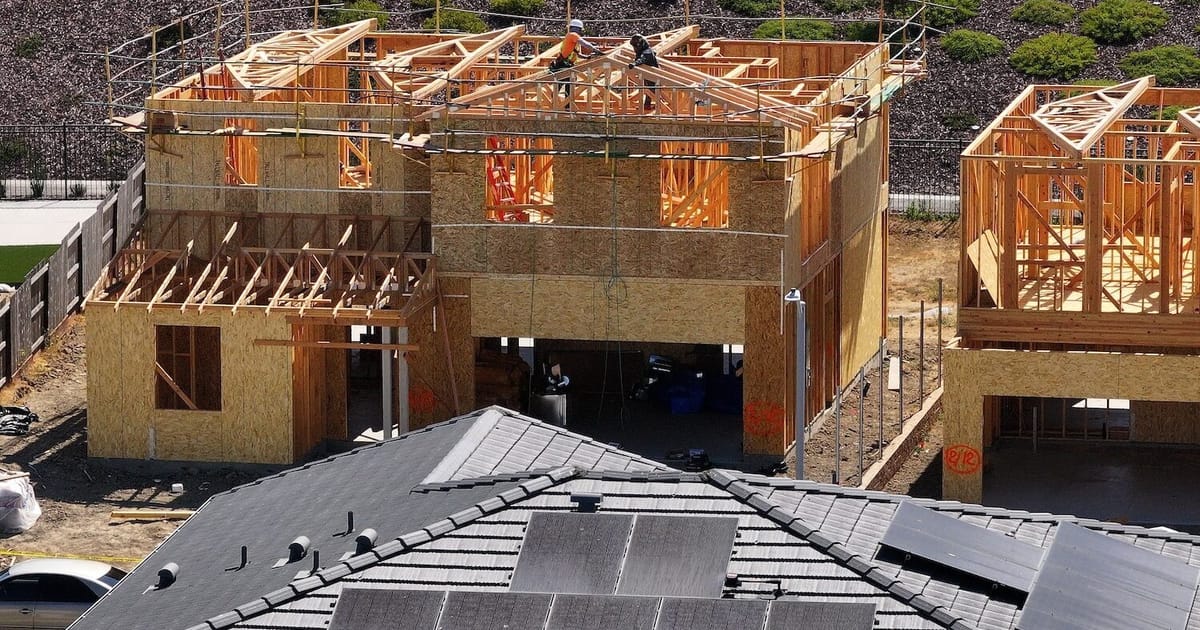
More than a dozen California cities and counties have sought to adopt stricter building standards to reduce emissions, but a state law intended to boost housing development has stalled progress. Assembly Bill 130, enacted in 2025, imposed a six-year moratorium on updates to state and local building codes, including those aimed at improving energy efficiency and safety. However, the law includes narrow exceptions for local governments to adopt 'reach codes' that encourage electrification and emissions reductions, provided they align with existing climate goals.
Since the moratorium took effect on October 1, 2025, 21 cities and counties have passed such ordinances, with 14 localities incentivizing the replacement of single-direction air conditioners with two-way heat pumps. These 'reach codes' are designed to nudge buildings toward all-electric systems, particularly when furnaces or cooling units need replacement. Local advocates argue these measures are critical for meeting state climate targets, as buildings contribute a quarter of California’s greenhouse gas emissions.
Despite the urgency, the California Building Standards Commission has yet to approve 17 proposed reach codes from 15 jurisdictions, including Alameda, Glendale, Marin County, Palo Alto, and San Luis Obispo. Some ordinances have been pending for nearly a year, far exceeding the commission’s typical review time of days. The commission has approved only seven reach codes in the past year, attributing delays to the complexity of verifying compliance with AB 130’s exemption requirements.
Local officials and advocates express frustration, noting that the delays hinder progress toward reducing pollution from gas appliances and achieving state-mandated climate goals. Alameda’s sustainability manager stated the city cannot meet its climate targets without these policies, while others have paused adoption processes due to uncertainty. Legislators and the governor’s office reportedly assumed AB 130 would not block local decarbonization efforts, but the reality has proven otherwise.