Massachusetts bill could hinder push to weatherize lower-income homes
A Massachusetts energy bill provision may require moderate-income households in disadvantaged communities to submit income-verification paperwork for free weatherization, despite exemptions for others elsewhere.
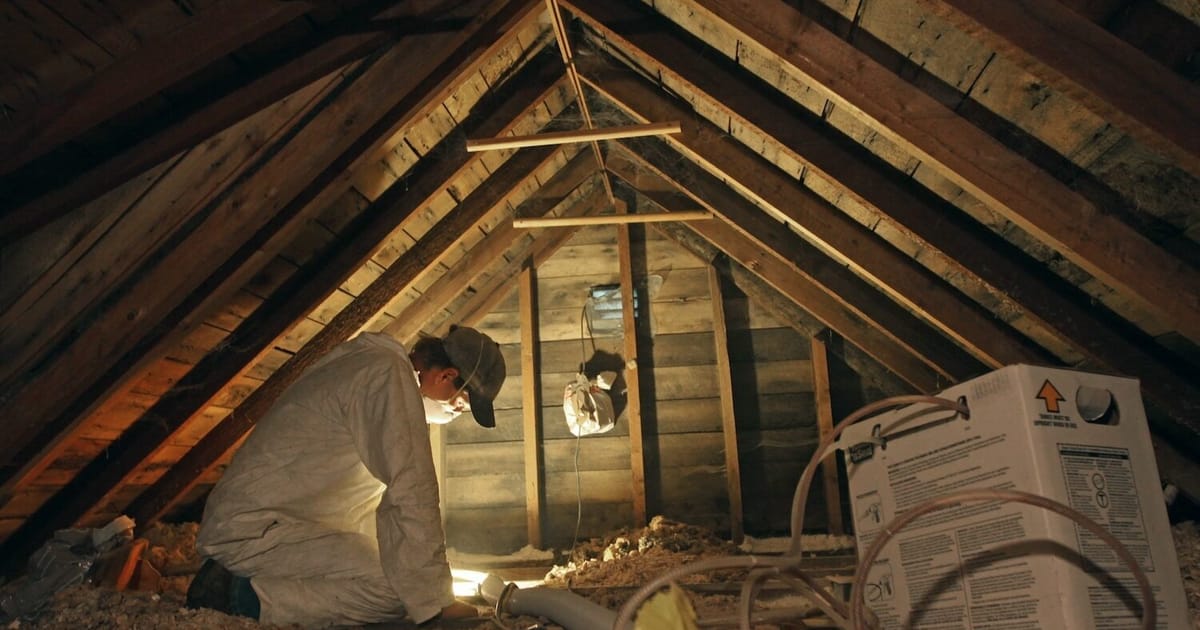
A pending Massachusetts energy bill includes a provision that could add paperwork requirements for moderate-income households in designated equity communities seeking free weatherization through Mass Save, while exempting similar households elsewhere. The change targets only these communities, where residents previously qualified for no-questions-asked weatherization services regardless of income. The provision aims to address administrative concerns but risks creating an uneven system that complicates access for those who may still struggle to afford energy costs.
Mass Save, the state’s energy-efficiency program funded by utility customers, has expanded free weatherization access in recent years to better serve lower-income and rental properties, which have historically been underserved. In 2024, the program eliminated income-verification requirements for moderate-income households statewide, leading to a significant increase in participation. However, the bill’s provision would reinstate these requirements specifically for moderate-income households in 21 designated equity communities, where eligibility was previously streamlined to remove barriers.
The discrepancy has sparked debate over fairness and transparency, with critics arguing the criteria for designated equity communities lack clear justification. Some lower-income towns were excluded due to insufficient renter populations, while high-income households in these communities could still receive free services without verification. Supporters counter that the list was approved through a public regulatory process and that the priority should remain closing the equity gap for those most in need.
Legislators are still reconciling differences between House and Senate versions of the bill, with plans to finalize the legislation this fall. The debate highlights broader questions about how Massachusetts balances administrative efficiency with equitable access to energy-efficiency benefits, particularly for rental properties and lower-income households.