Solar PAC got revenge on clean energy’s enemies in Congress
A solar industry-backed super PAC punished politicians opposing clean energy policies, securing 19 wins in 23 targeted races and influencing energy policy debates.
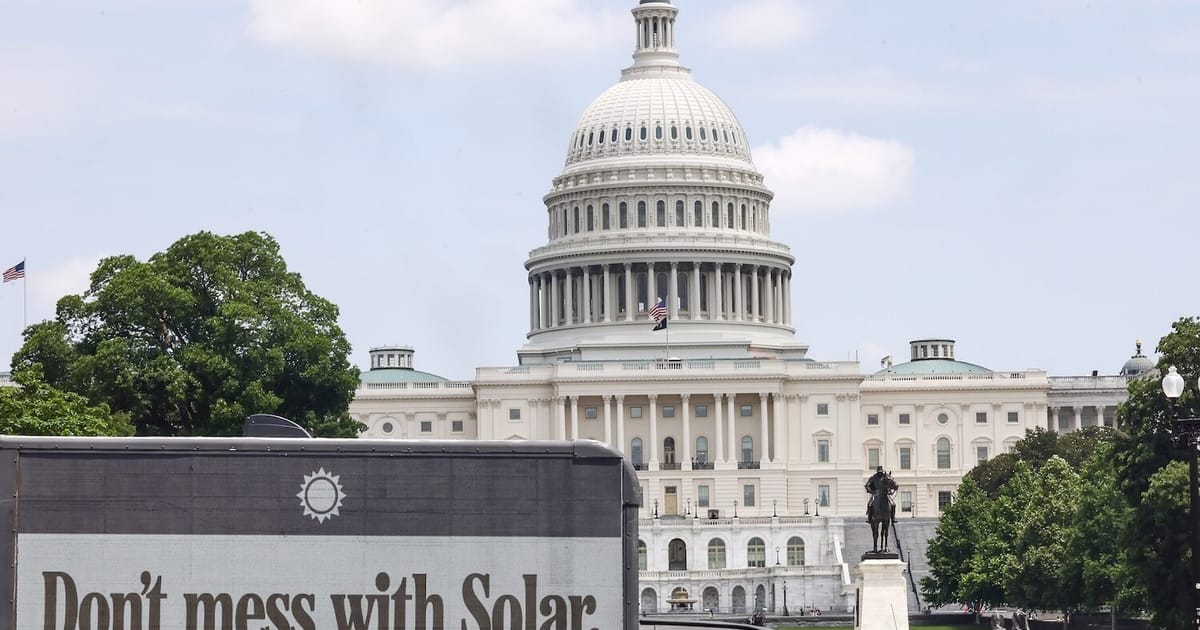
The Invest in Tomorrow Coalition PAC, funded by solar entrepreneurs, spent millions on attack ads targeting politicians who undermined clean energy policies during the midterm and general elections. The PAC avoided direct mentions of renewables, instead using voter-tested messages to criticize conservative lawmakers for not aligning with MAGA principles. In primaries, the group achieved a perfect record, winning all six targeted races, and later secured 13 of 17 general election victories, including the apparent defeat of Lauren Boebert in Colorado’s 4th District.
During the general election, the PAC engaged in 17 congressional races, many in districts won by Donald Trump by double digits, according to PAC chair Tom Matzzie. While four targeted Republicans won—including seats in Arizona, Florida, and New York—the PAC’s overall success rate stood at 83%, with 19 wins out of 23 races after spending $17 million. The group’s strategy included exploiting broader political discontent, amplifying candidates’ weaknesses, and frequently provoking reactions from targets to sway voters.
The PAC’s post-election statements mocked defeated candidates, such as calling Brandon Herrera in Texas’ 23rd District “one of the most despicable candidates” and criticizing Jeff Van Drew in New Jersey’s 2nd District for self-interest. Several targeted Republicans, including Boebert, publicly complained about the PAC’s influence, with Boebert even dedicating airtime on a conservative talk show to denounce the group’s tactics. The PAC also became the top spender in Indiana’s 5th District, outspending both campaigns combined before the Republican candidate lost.
The PAC’s founders stated their goal was to establish narrative influence, ensuring lawmakers fear electoral consequences for opposing solar incentives. With most of its ultraconservative targets now out of office, the threat carries weight. The PAC’s aggressive approach highlights the growing role of industry-funded groups in shaping energy policy debates beyond traditional lobbying.