How Databricks rolls out frontier models to 14,000 employees on Day 1
Databricks deployed three frontier AI models to 14,000 employees on launch day, using internal tools to evaluate performance and cost within three days.
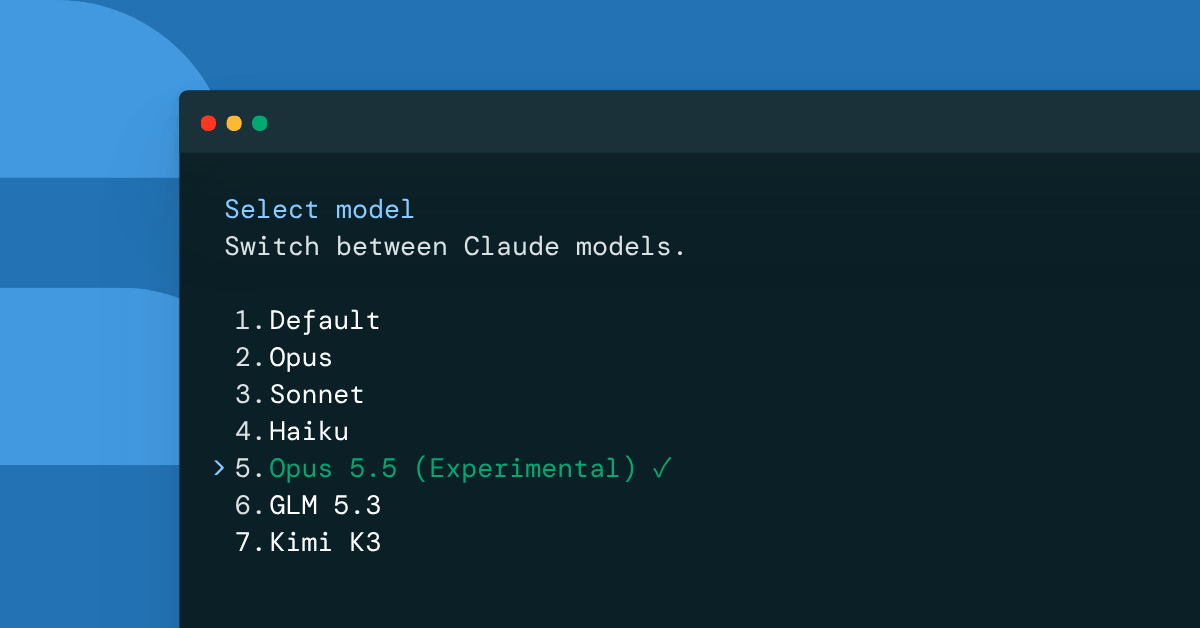
Databricks prioritizes immediate employee access to new AI models, requiring rapid deployment across over 10,000 staff. The company relies on Unity Gateway to release, evaluate, and integrate models, testing its system during the simultaneous launch of Opus 5, GPT-6 Sol, and GPT-Luna in late September. Within three days, Databricks confirmed these models met efficiency benchmarks and incorporated them into broader infrastructure.
To distribute model configurations, Databricks uses the Unity Gateway CLI, pre-installed on employee laptops via mobile device management. The CLI updates local tools like Claude Code and Omnigent when new models are available, applying experimental tags to Opus 5.5 and Sol 6. Unity Gateway also enables centralized governance, cost tracking, and default or experimental model assignments, ensuring consistent access and evaluation across teams.
The company employs per-user budgeting for AI spend, expanding its architecture to four principal budgets. On launch day, Opus 5.5 and Sol 6 were made available under an experimental budget, with data collection beginning immediately. Benchmarks such as OfficeQA Pro V2 and user feedback indicated Opus 5.5 delivered significant quality and cost improvements over prior versions, while GPT-6 Sol showed mixed results compared to its predecessor.
Cost analysis required stratification of usage data to account for variations in session complexity and user behavior. Despite initial challenges in normalizing metrics, Databricks found Opus 5.5 reduced costs for real workloads, while GPT-6 Sol’s price cut aligned with expectations. The company plans to make Opus 5.5 the default for Claude Code and include GPT-6 Sol in its smart router, demonstrating a flexible approach to adopting high-performing models.