Virtual First 2025: Designing a culture that drives impact
Dropbox reflects on five years of its Virtual First model, reporting gains in developer productivity, hiring reach, and AI adoption while addressing meeting inefficiencies and calendar fragmentation to sustain long-term impact.
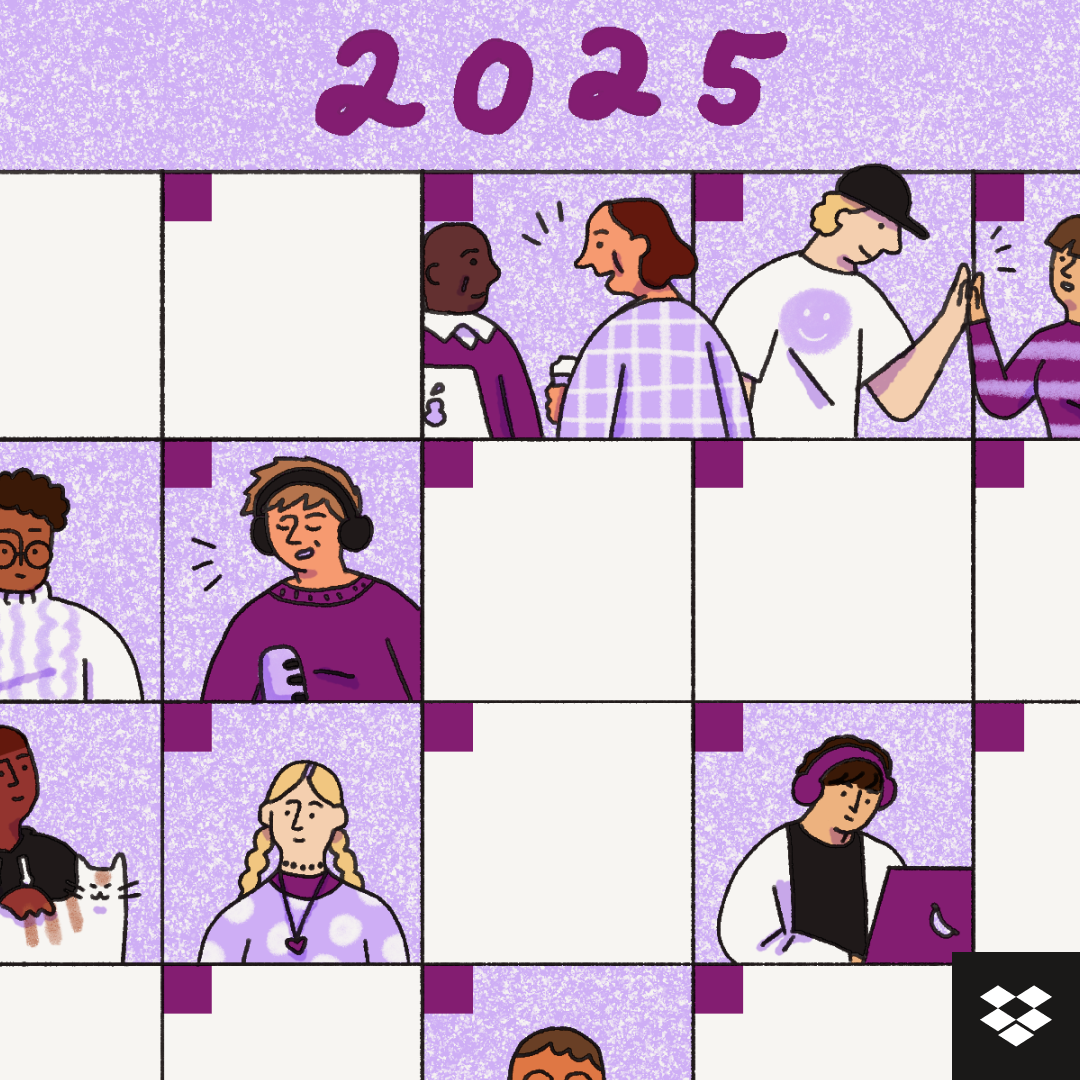
Dropbox’s Virtual First model, now five years old, remains a remote-first approach with in-person gatherings for connection. The company reports measurable gains in developer productivity, with survey scores up eight points since 2024, nearly 35% more pull requests submitted, and a 40% reduction in code deployment time, placing it within the 75th percentile of industry benchmarks. The model has also expanded hiring reach, with applications per role nearly seven times higher than pre-Virtual First and 60% of employees now based outside major tech hubs, contributing to the lowest attrition rate in company history.
AI tools have become integral to Dropbox’s workflow, with 96% of employees using them weekly and 87% reporting access to necessary tools. Eighty percent of employees understand how to leverage AI to save time, though the company emphasizes that adoption hinges on integration into daily processes rather than tool availability alone. Employee sentiment remains strong, with nearly all reporting satisfaction with remote setups and confidence in technology, while collaboration scores improve as teams adapt to asynchronous work across time zones.
Despite progress, challenges persist, particularly in meeting efficiency. While 70% of Dropbox meetings are considered effective—compared to 28% industry-wide—nearly a third lack clear purpose, ownership, or agendas, leading to lost productivity. The company is addressing this through structured meeting categories, AI-generated summaries that save an average of 37 minutes per meeting, and a Meeting Effectiveness initiative aimed at reducing low-value meetings and protecting focus time.
To further refine its model, Dropbox is developing a Deep Work Index (DWI) to assess focus conditions, including meeting load and calendar fragmentation. Early pilots, such as No Meeting Wednesdays and async-first alignment, have shown promise in improving work patterns. Offsites continue to play a key role in fostering teamwork and belonging, though the company acknowledges the need for ongoing iteration to sustain effectiveness in a distributed environment.