Pivot bio, Indigo Ag, AgriThority Lead the Charge on Biologicals Research
Three agricultural biologicals companies sponsor a new market research study on row-crop farmers' adoption and perceptions of biological products, led by Stratovation Group.
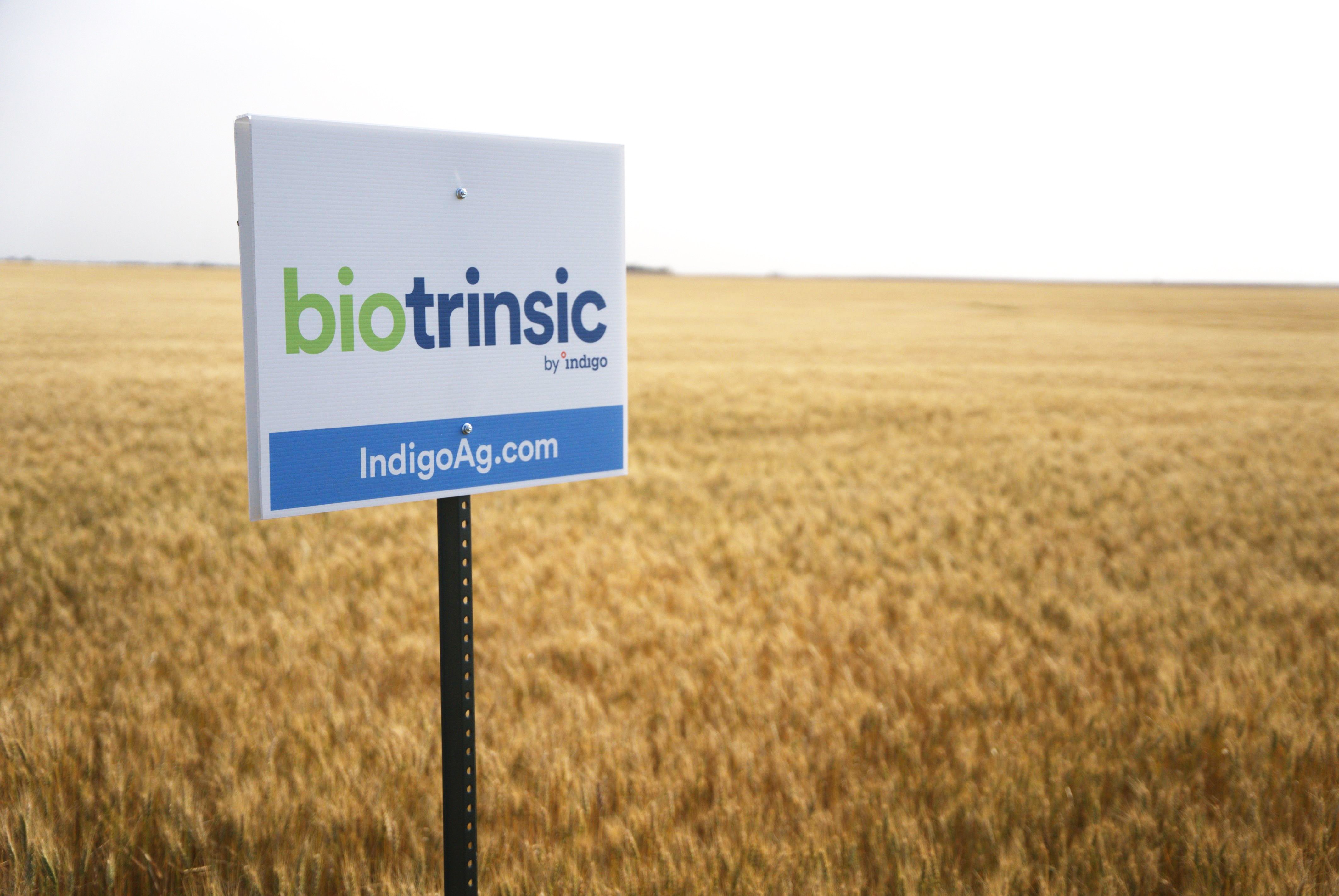
Indigo Ag, Pivot Bio, and AgriThority have become the inaugural sponsors of a new research initiative titled 'Biologicals: Row-Crop Farmer Value, Perception and Potential.' The study, conducted by Stratovation Group, aims to assess how farmers use biological products and their expectations for the technology. The research will provide insights into adoption barriers and opportunities in the expanding biologicals market. Sponsors include companies with established roles in microbial-based agricultural solutions.
The study focuses on row-crop farmers, a key segment for biologicals adoption, and will evaluate their current and future use of these products. Stratovation Group, known for agricultural sector research, will lead the effort to gather farmer feedback. The initiative seeks to bridge gaps between product development and farmer needs. Results are expected to inform both sponsors and the broader industry.
The research comes as the agricultural biologicals market approaches $7 billion, driven by demand for sustainable farming practices. Biologicals, including microbial products, are positioned as alternatives to traditional chemical inputs. The study aims to clarify farmer perceptions and highlight areas for improvement in product accessibility and efficacy. Sponsors represent companies at the forefront of this emerging market.
Stratovation Group will conduct the research through farmer surveys and interviews, with findings to be published in mid-2026. The initiative reflects growing industry interest in biologicals as a tool for sustainable agriculture. Sponsors will use the data to refine their strategies and address farmer concerns. The study underscores the importance of farmer-centric research in shaping the future of agricultural biologicals.