Here's how we tuned the Fairbuds 2
Fairphone describes how acoustic engineers tuned the Fairbuds 2 for richer sound while maintaining repairability, with a price reduction and collaboration with Form Follows Frequency.
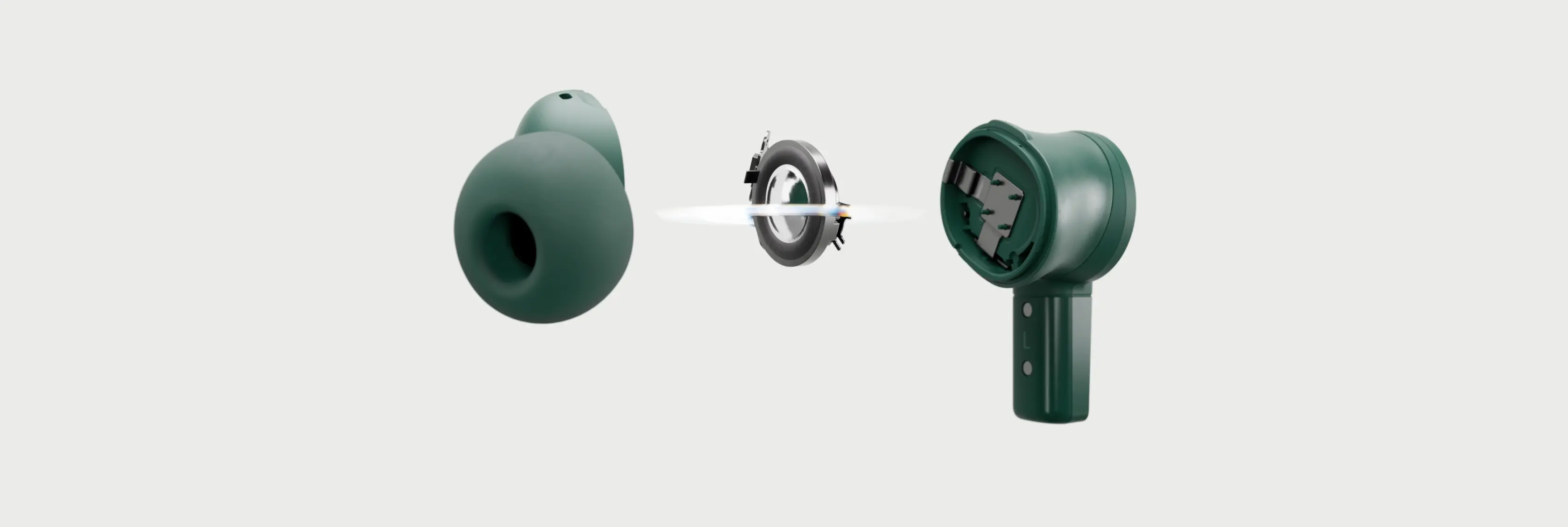
Fairphone collaborated with Florent Gatin of Form Follows Frequency to refine the audio profile of the Fairbuds 2, addressing limitations in high-frequency response from the first-generation model. The team identified hardware constraints in the original design that muted upper frequencies, particularly affecting instruments like violins and acoustic guitars. By redesigning the driver and housing geometry, they achieved a more open, natural top end without increasing the price—a rare outcome in consumer electronics.
The new earbuds use biocellulose drivers, a natural, compliant material that delivers a smoother, warmer sound signature compared to rigid titanium drivers. This change aligns with Fairphone’s sustainability goals and improves listening comfort during extended use. Florent Gatin emphasized the importance of material choice, noting that biocellulose reduces ear fatigue while maintaining precise transients for sharper audio details.
Tuning began with hardware testing, comparing driver samples within identical earbud housings and amplifier setups. Objective measurements used artificial ears to account for the human ear canal’s resonant cavity, ensuring accurate frequency response data. Engineers averaged multiple test runs to eliminate inconsistencies, as even minor air leaks could skew results and lead to over-boosted bass.
The default sound profile targets the Harman curve, a benchmark for listener preference, with subjective adjustments made using a personal reference playlist of 50 tracks. Florent Gatin verified performance over standard A2DP Bluetooth, ensuring the foundation sounded strong before testing higher-resolution LDAC. Noise cancellation adjustments were also validated to maintain consistent audio whether ANC was active or not.