MiHoYo awarded $112,000 by Chinese court after AI voice service dupes Genshin Impact characters
A Shanghai court ordered an unnamed AI developer to pay ¥750,000 ($112,000) for replicating and selling Genshin Impact character voices without permission, marking China’s first unfair competition ruling on AI voice misuse.
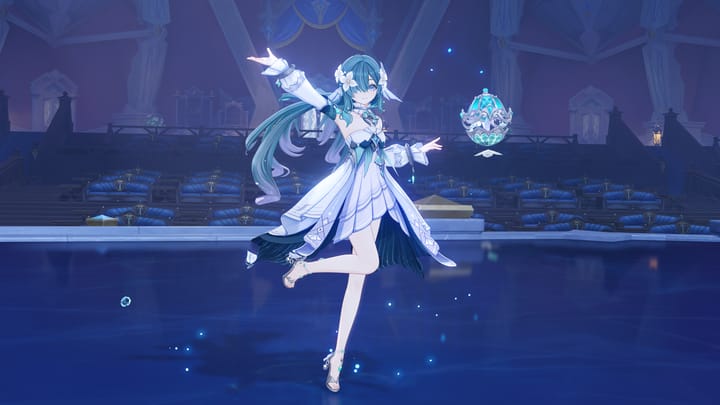
A Shanghai court has awarded MiHoYo ¥750,000 ($112,000) after ruling that an unnamed generative AI developer unlawfully reproduced and sold the voices of 63 characters from Genshin Impact. The court found the defendant used AI to clone the voices and paired them with game images and animations to advertise and sell unauthorized voice packs. The ruling, issued on June 30, ordered the company to cease distribution and pay damages, following a brief appeal that was later withdrawn. This case represents Shanghai’s first judgment on unfair competition involving AI-generated voice replication of copyrighted material.
The defendant initially appealed the verdict but withdrew its challenge within months, leaving the ruling final. The court determined the company intentionally exploited Genshin Impact’s popularity by selling the replicated voices, which the plaintiff argued infringed on its intellectual property. The decision provides early guidance for Chinese courts on handling generative AI misuse in commercial contexts, particularly regarding voice and visual likenesses of game characters.
This ruling does not address broader legal questions about using copyrighted content as training data for AI tools, a separate issue still under debate. Industry observers note the case highlights risks for developers and voice actors whose work can be replicated without consent or compensation. The outcome underscores the legal exposure companies face when AI-generated content is used to create and sell derivative products in China.
The case follows concerns raised by voice actors like Victoria Atkin and Tim Friedlander, who reported their performances being recreated by players using third-party AI voice tools. Some AI tool providers, including ElevenLabs, market services to game developers, raising questions about liability and consent in AI-assisted content creation.