'We want to keep it very simple:' How Nex Playground is beating expectations during a hardware crisis
Nex Playground, a motion-controlled console, is expanding globally with $150 million in financing, exceeding sales targets in new markets and prioritizing affordability despite rising hardware costs.
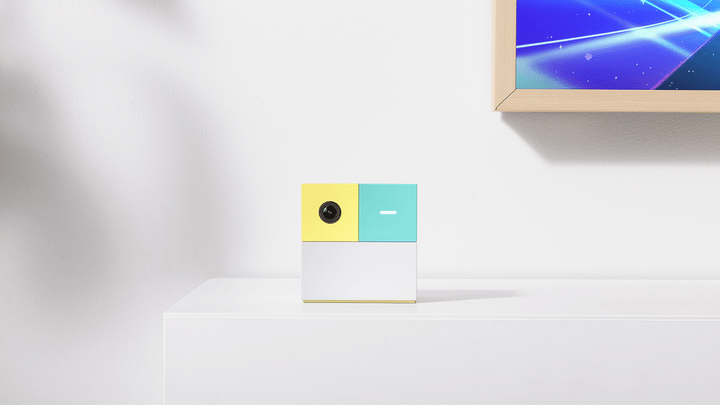
Nex Playground, a family-focused motion-controlled console, has expanded beyond the U.S. into Canada, the U.K., and Germany, with Asia as the next target. The company secured $150 million in equity and debt financing to accelerate this global rollout, positioning the device as a potential competitor to Nintendo’s Wii. Nex Playground’s software library, accessible via subscription, has grown with licensed titles like *Sonic Forces* and *Pac-Man*, reflecting the company’s ambition to build a sustainable ecosystem.
Sales in the U.K. are outperforming internal targets, driven by an omni-channel launch strategy that leverages retail stores and digital platforms like TikTok Shop. Nex Playground head of international Tom Kang emphasized the effectiveness of TikTok as both a discovery and conversion tool, noting that creator content and in-store demos have boosted visibility and sales. The company’s supply chain strategy, including manufacturing in Mexico and China, has improved lead times and resilience amid ongoing component shortages.
Nex Playground raised hardware prices in response to U.S. tariffs, which were later deemed illegal by the Supreme Court, but remains committed to keeping devices affordable. Kang highlighted the company’s focus on maintaining slim but sustainable margins to fund software development, which is becoming increasingly costly. Nex was profitable last year and expects profitability again this year, relying on a subscription-driven model where hardware sales enhance long-term profitability.
The console’s subscription model, priced at €99 annually, boasts an over 80% global attach rate, with Kang dismissing concerns about subscription fatigue by emphasizing the platform’s family-friendly value. Nex is actively porting legacy motion-controlled titles, such as *Freefall Racers*, to modern engines like Unity, optimizing them for younger audiences. The company also plans to automatically offload unused games to manage the 64GB storage limit, though titles can be redownloaded easily.