Demystifying unions: What games leaders need to know
UK video game companies must prepare for new union access rules under updated Employment Rights Act changes effective October 30, shifting the focus from avoidance to collaboration.
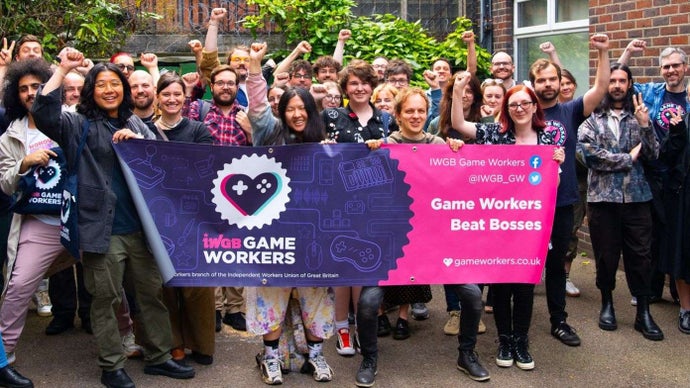
From October 30, UK video game companies face mandatory union access to workplaces under revised Employment Rights Act provisions, marking a significant shift in employer obligations. The changes introduce new mandates that simplify existing voluntary practices, including obligations to inform staff of their right to join a union. While some leaders may view these adjustments with concern, union representatives emphasize that the relationship should be cooperative rather than adversarial, with HR leaders playing a key role in shaping engagement strategies.
Union representatives at the GamesIndustry.biz HR Summit stressed that viewing unions as adversaries risks escalating tensions, as every negotiation is framed as a competition with winners and losers. Instead, they advocate for collaborative problem-solving, where both parties work together to bridge gaps between problems and solutions. Regular meetings and transparent communication are encouraged to foster mutual understanding and preemptively address workplace challenges before they escalate.
The session highlighted the Rockstar vs International Workers' Union of Great Britain case as a high-profile example of how union involvement introduces additional considerations for human relations matters. Representatives advised companies to seek legal counsel early when union issues arise and to separate individual grievances from broader collective concerns. They cautioned that allowing disputes to escalate to public protests signals a severely damaged relationship, making resolution far more difficult.
The October 30 changes do not aim to increase strikes or radically alter union recognition processes but focus on granting unions physical and digital access to workplaces. Future obligations include informing employees of their union rights starting January 2027. While the specifics of access remain under development, unions anticipate both digital platforms for communication and physical presence for staff engagement, all designed to facilitate dialogue without disrupting operations.