"I wanted to make the show I wanted to watch" – How Galaxies found a place in the crowded showcase landscape
Galaxies Showcase carved a niche by blending high-end production with curated indie and AA titles, doubling its audience in a year and driving wishlist gains.
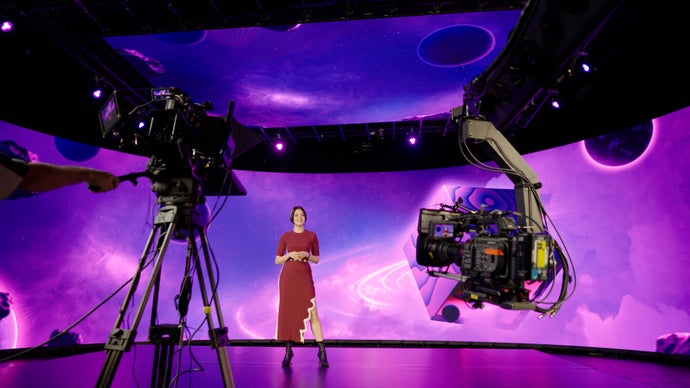
The fourth Galaxies Showcase launches tomorrow, positioning itself between high-cost industry events and purely digital indie showcases. Founder Chris Thomas aimed to create a streamlined, time-efficient production anchored by Outside Xbox’s Jane Douglas, mixing paid and free game trailers without lengthy asides. The show’s ‘tapas-style’ format limits each segment to under a minute, addressing frustrations with traditional press conferences where audiences endure unrelated content. This approach has resonated, with the spring showcase’s audience more than doubling in its second year, excluding social clips.
Galaxies operates twice yearly, in April and October, filling gaps identified by Thomas through competitive analysis of other events. Data from GameDiscoverCo indicates the showcase drove an average wishlist gain of +17,731 for featured titles. Thomas launched the project after a decade in video game sales at Twitch UK, leveraging industry connections to secure early support from developers like Konami, Remedy, and Krafton. The debut in March 2025 was a lean operation, funded by personal savings and a single paid co-stream, yet attracted 120 co-streamers.
The showcase’s exclusive debut on Twitch was a practical choice, given Thomas’s deep familiarity with the platform. The event’s visibility surged when streamer Asmongold co-streamed it, pushing concurrent viewers to 23,000 and generating widespread attention. Post-show, Thomas received outreach from YouTube and publishers, securing exclusive content for future editions, including world premieres from Bandai Namco and others. The second showcase featured the world premiere of Defect, while the third included seven premieres, addressing the debut’s lack of headline-grabbing exclusives.
Thomas describes the showcase’s pricing model as ‘take-a-punt-on-it,’ offering transparent uncertainty to attract partners. Despite initial skepticism, no participants withdrew, and the event’s success led to repeat demand from both streamers and developers. The show balances paid and free slots, with commercial partners funding exposure for indie titles that might otherwise lack visibility. Thomas emphasizes maintaining a diverse lineup to avoid overrepresenting specific genres or styles.