NASA Develops Batteries to Power Humanity’s Return to Moon
NASA’s SPEARS project is developing solid-state batteries to withstand the Moon’s extreme temperatures for Artemis missions, replacing liquid electrolytes to ensure reliable power in lunar conditions.
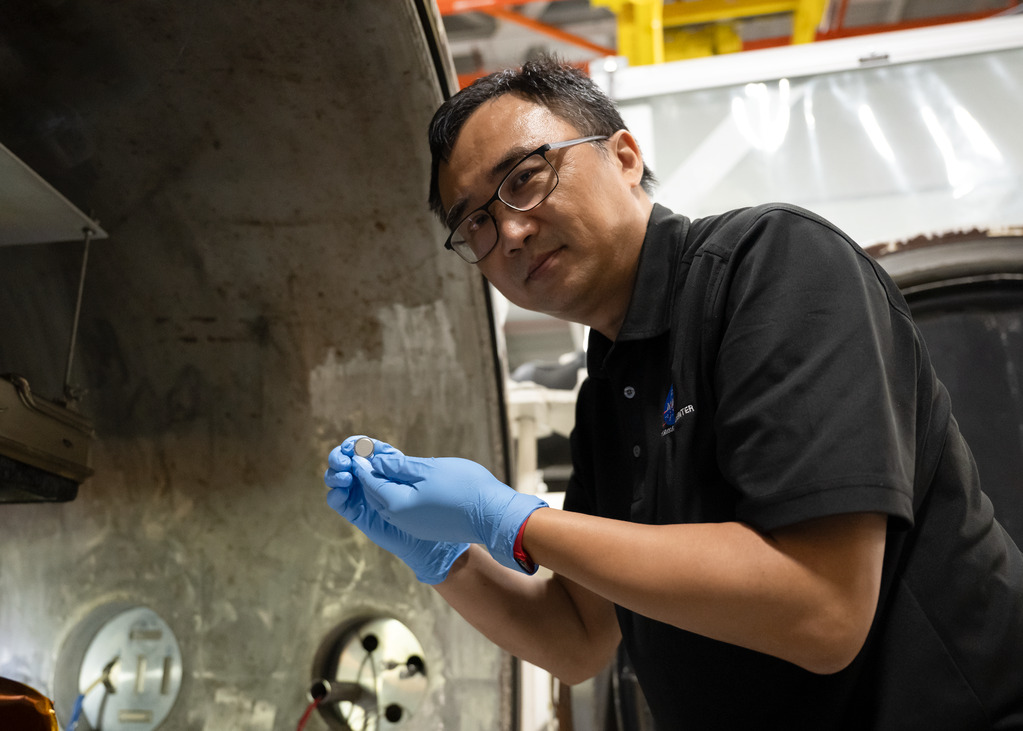
NASA researchers are engineering batteries capable of operating in the Moon’s South Pole, where nighttime temperatures drop to minus 200 degrees Celsius. The Solid Power for Extreme Environment Adaptability and Resilience in Space (SPEARS) project aims to power lunar tools, rovers, and astronaut equipment reliably and safely. Traditional lithium-ion batteries fail in such cold due to frozen liquid electrolytes, a problem SPEARS addresses by using solid ceramic or polymer materials instead.
Thermal vacuum tests at NASA’s Langley Research Center demonstrated SPEARS prototypes functioning from 80 degrees Celsius down to minus 80 degrees Celsius. Yi Lin, SPEARS testing lead, confirmed the cells operated at minus 80 degrees Celsius and expressed confidence in expanding performance further. The batteries survived temperature swings between 100 degrees Celsius and minus 170 degrees Celsius without damage, a critical requirement for lunar day-night cycles.
SPEARS batteries use small heaters to restore functionality after extreme cold exposure, reducing reliance on heavy thermal management systems. This design could lower spacecraft weight, mission costs, and extend lunar mission durations by simplifying power infrastructure. The technology targets applications from lunar rovers to emergency astronaut kits and scientific instruments.
The SPEARS project, initiated in 2026 with Advanced Research and Technology funding, is developing flight hardware at NASA’s Ames Research Center for spaceflight testing. While designed for lunar missions, the solid-state battery technology may also benefit Earth-based uses such as electric vehicles, drones, and portable electronics.