Lunar Grounding Challenge
NASA’s new Lunar Grounding Challenge seeks solutions to prevent dangerous electrical buildup on astronauts’ spacesuits during moonwalks, which could cause sparks when returning to spacecraft.
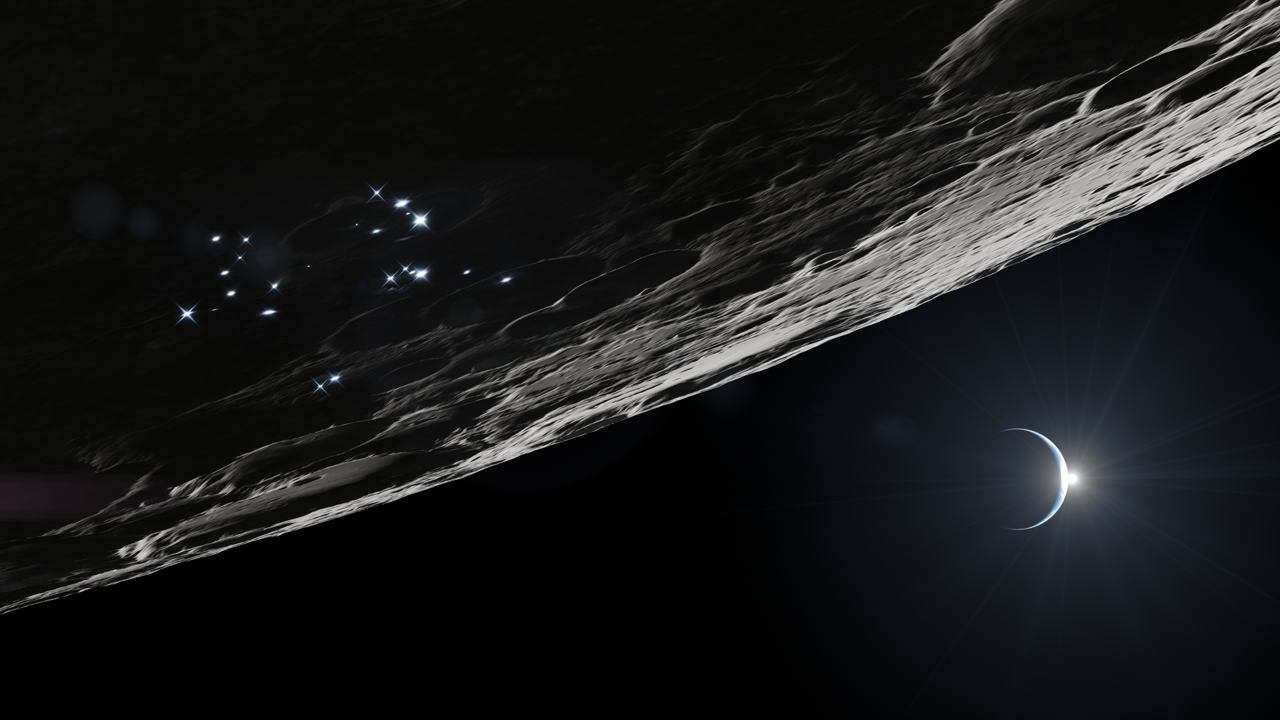
During lunar South Pole expeditions, astronauts face tribocharging from walking on the surface and plasma charging from the environment, leading to dangerous negative charge accumulation on spacesuits. The problem intensifies in permanently shadowed regions where charge cannot dissipate naturally, leaving astronauts at risk of becoming high-voltage capacitors. When returning to a spacecraft, the voltage differential between the negatively charged astronaut and the positively charged lander can trigger electrostatic discharge, posing threats to suit integrity and crew safety. NASA’s challenge aims to address this critical gap in lunar surface operations.
The Lunar Grounding Challenge invites innovators to propose designs that safely neutralize electrostatic charge buildup on spacesuits before astronauts re-enter spacecraft. Solutions must mitigate risks such as suit degradation, electronic damage, and electrical shocks during contact with the lander. The goal is to ensure safe and timely discharge under extreme charge differentials during lunar extravehicular activities. Submissions will be evaluated for feasibility, safety, and operational effectiveness in the lunar environment.
Current spacesuit designs lack mechanisms to bleed off accumulated charge, leaving astronauts vulnerable to electrostatic hazards during missions. The challenge specifically targets the South Pole region, where permanently shadowed areas exacerbate charge retention due to limited ion flux and photoelectron emission. Without intervention, the risk of electrostatic discharge remains a critical safety concern for future lunar surface operations.
NASA’s challenge emphasizes the need for practical, deployable solutions that can integrate with existing spacesuit systems and lunar mission protocols. Successful concepts will enable astronauts to safely discharge before interacting with spacecraft, reducing risks to mission success and crew safety. The initiative reflects NASA’s commitment to addressing operational challenges in the Artemis program’s lunar exploration goals.