Hell Is Officially Breaking Loose For The Gaming Industry Thanks To AI
AI tool Claude Opus 5.5 enables rapid creation of cross-game mashups and PS5 emulators, disrupting gaming industry norms and raising legal and stability concerns.
Artificial intelligence has accelerated changes in the gaming industry, enabling projects that merge unrelated games into playable experiences. Tools like Claude Opus 5.5 allow users to reverse-engineer gameplay mechanics in minutes, a process that would normally take years. The AI builds script bridges to translate game quirks between incompatible titles, such as Minecraft inside Pokémon or Super Mario 64 in Elden Ring. Third-party tools like the Universal Modder streamline these processes, making such mashups increasingly feasible.
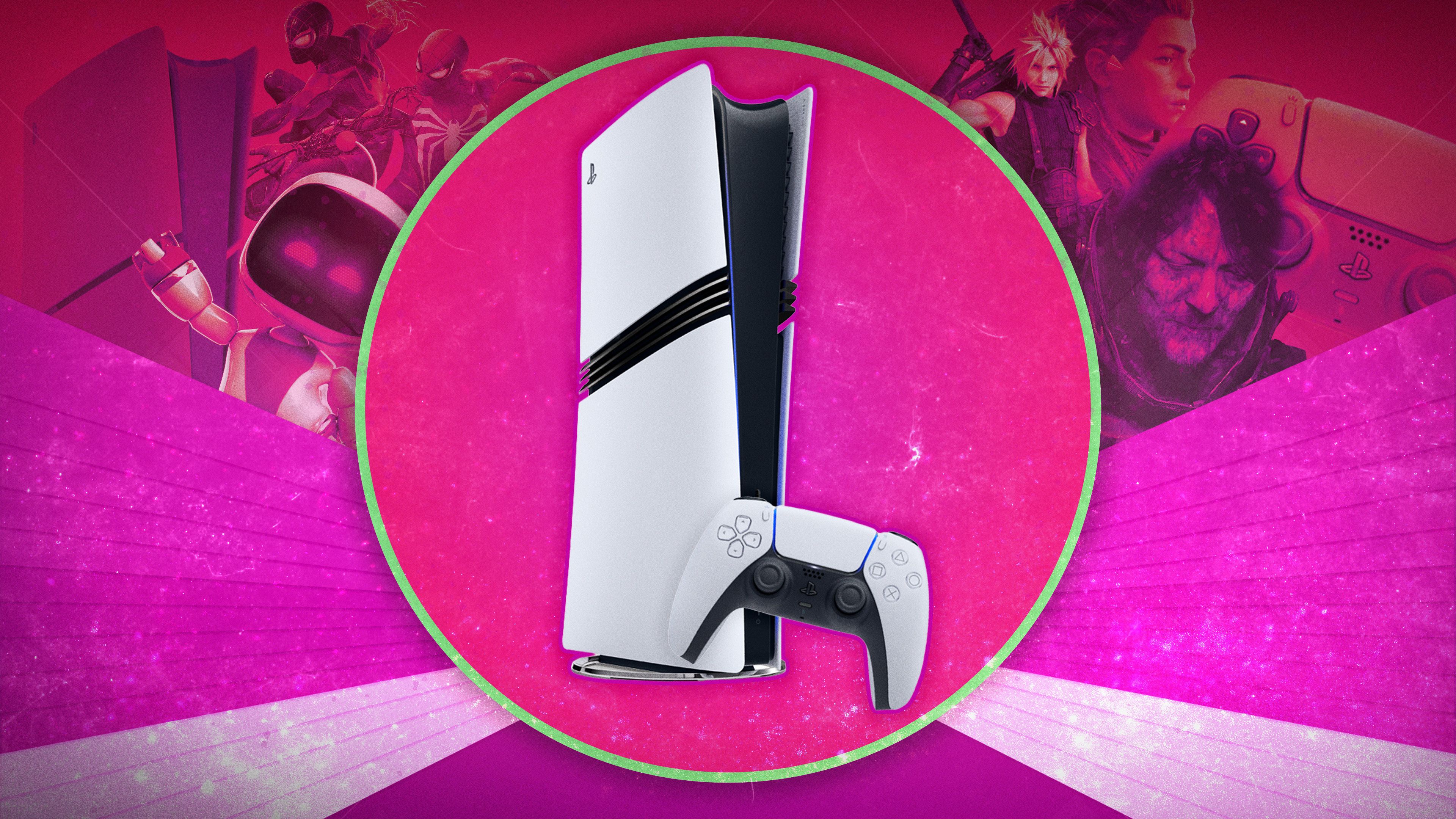
Sony faces growing challenges from AI-driven advancements in PS5 emulation and jailbreaking. Projects like SharpEmu and KytyPS5 enable PCs to run PS5 games at native 4K resolution, though early builds remain glitchy. Before AI-assisted fixes, games like Demon’s Souls could not even reach the character creation screen on PC. These emulators are laying groundwork for more stable playable versions of titles like Infamous: Second Son.
A new exploit called Relapse allows PS5 owners to gain kernel access without a PC, using older firmware versions that support most major releases this year. While authored by humans, the exploit is linked to AI advancements that accelerate development of emulators and homebrew apps. Users can port games like Super Mario to PS5 and optimize files to be nearly 50% smaller than official versions.
The rapid pace of innovation raises concerns for gaming executives, as viral projects remain unstable and legal frameworks struggle to keep up. Many mashups and emulators are not fully playable or stable, but the potential for further disruption is significant. DMCA takedowns may prove insufficient as AI tools continue to evolve, leaving the industry to navigate uncharted legal and technical territory.