Switch to Android easily — and bring your data with you.
Google and Samsung announced an expanded native data migration tool for Android 17, enabling wireless transfer of additional data types from iPhones without third-party apps, starting with Pixel and new Galaxy Z series devices.
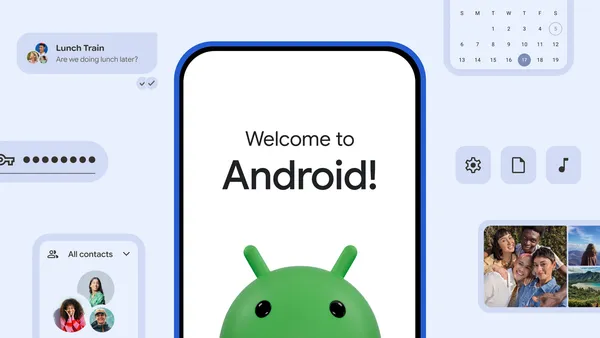
Google and Samsung introduced a new native migration feature integrated into Android 17, designed to simplify switching from iPhones to Android devices. The tool allows users to transfer photos, videos, contacts, messages, and calendars wirelessly, eliminating the need for separate applications. The upgrade also supports transferring Google Accounts, passwords, Wi-Fi credentials, and eSIM data, expanding the scope of what can be moved during the transition. This feature is currently available on select Pixel devices and the newly announced Samsung Galaxy Z Flip8 and Z Fold8 series, with plans for broader rollout across Android devices in the future.
The migration tool is part of Google’s ongoing efforts to improve user experience when switching mobile ecosystems. By embedding the functionality directly into Android 17, the company aims to reduce friction for users considering a move from iOS. The inclusion of sensitive data types like passwords and eSIM credentials reflects a focus on convenience while maintaining security standards. Samsung’s collaboration underscores the industry-wide push to make platform transitions more accessible.
The feature’s availability on flagship devices such as the Galaxy Z series highlights its importance for users upgrading to premium Android hardware. Google has indicated that the migration tool will expand to additional Android devices beyond the initial rollout, though no specific timeline has been provided. Users are directed to android.com/switch for guidance on the switching process and available resources.
The announcement follows broader discussions about data portability and user choice in the tech industry. By enabling more comprehensive data transfers, Google and Samsung are addressing a key barrier to switching mobile platforms. The move aligns with regulatory and industry trends emphasizing interoperability and user control over personal data.