Pulling Graphite Out of Thin Air
Researchers at Berkeley Lab and partners have developed a method to convert captured carbon dioxide into graphite using molten-salt electrolysis, offering a potential alternative to mining for critical battery materials.
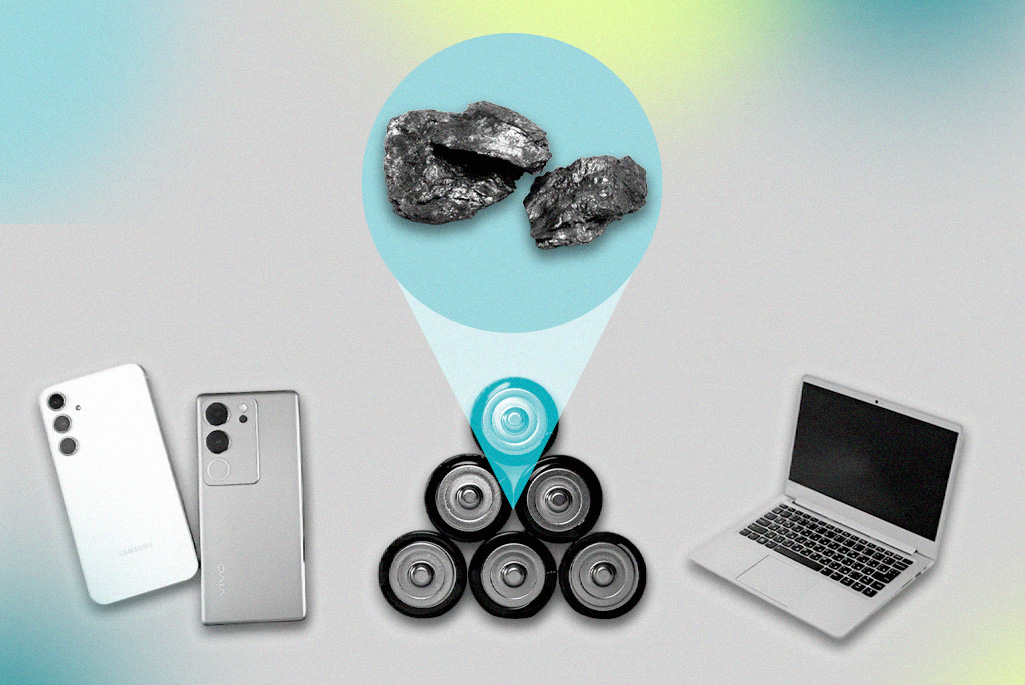
Graphite, a key component in batteries and electronics, is currently mined and largely imported in the U.S. Researchers at Lawrence Berkeley National Laboratory, UC Berkeley, and Estonia’s National Institute of Chemical Physics and Biophysics have demonstrated a process to convert waste carbon dioxide into graphite using molten-salt electrolysis. The technique uses electricity and hot liquid salts to transform CO₂ into solid carbon, addressing a long-standing challenge in sustainable materials production.
For the first time, the team observed the reaction in real time at 500 degrees Celsius inside corrosive molten salts, revealing an unexpected two-step molecular process. The findings showed the reaction’s consistency across different electrode and salt materials, suggesting flexibility in tuning the process to produce specific carbon structures, including battery-grade graphite.
The approach provides a new method to study chemistry in molten salts, an environment previously difficult to analyze due to extreme conditions. Berkeley Lab scientist Mike Whittaker emphasized the potential for scaling the process at lower temperatures with affordable salts to supply graphite for battery manufacturing, reducing reliance on imported materials.
Next steps include identifying optimal salt and electrode combinations, temperatures, and voltages to maximize graphite production. The research, part of the DOE’s MINES program, aims to scale the method for industrial use while advancing sustainable alternatives to mined critical minerals.