Canadian Start-up smartARM Uses AI to Create Intuitive Bionic Prosthetics
Toronto-based smartARM introduces an AI-powered bionic arm prototype that automatically selects grips for objects, reducing manual steps in daily tasks and enhancing accessibility for users with limb differences.
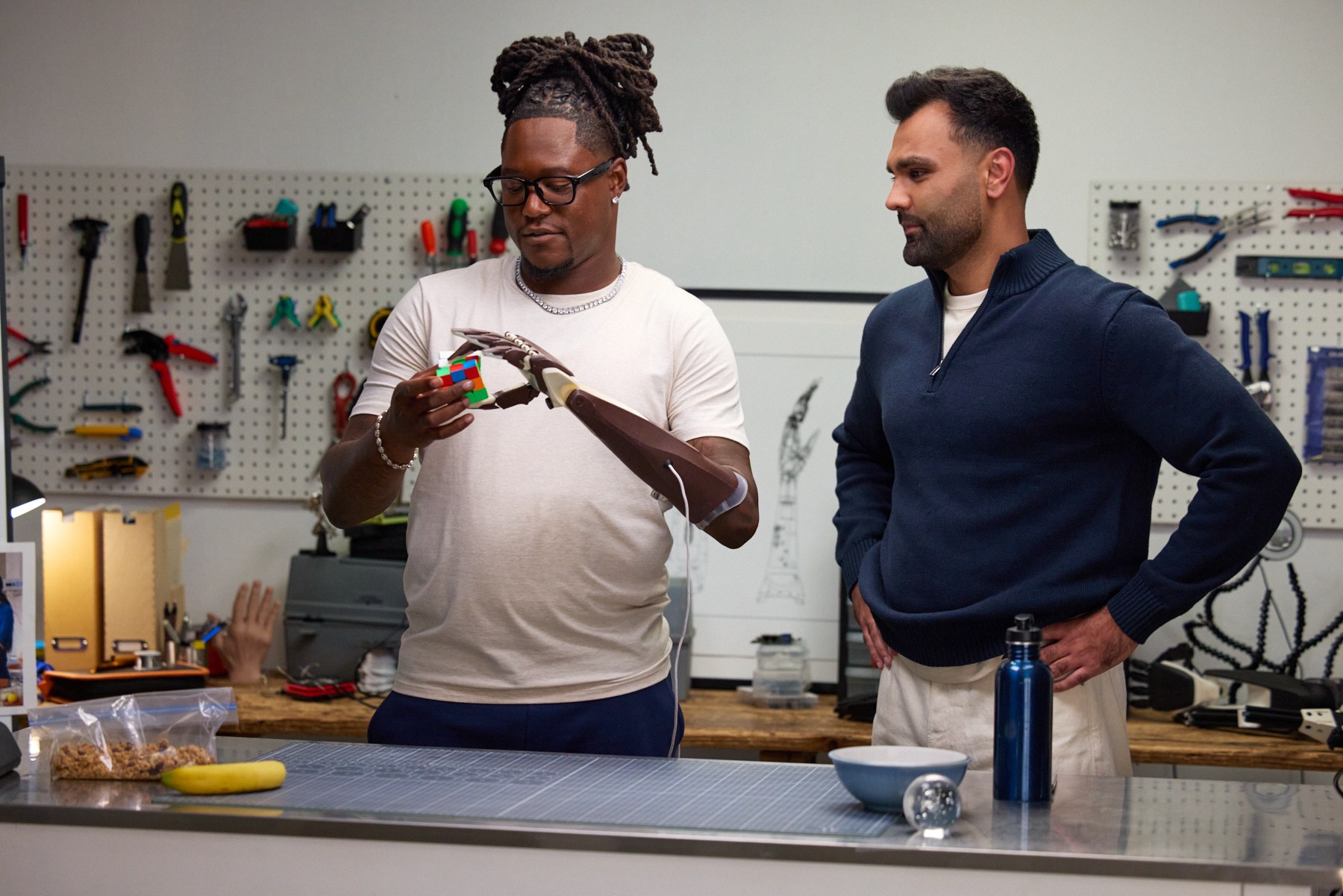
smartARM, a Toronto-based startup, has developed a vision-first bionic arm prototype designed to improve accessibility for people with limb differences. Unlike traditional prosthetics that require manual grip adjustments, smartARM’s device uses AI to automatically select appropriate grips based on the object being handled, streamlining everyday tasks such as picking up a glass or spoon. The system relies on a camera embedded in the palm and Meta’s open-source DINOv2 vision model to recognize objects from minimal reference photos, enabling rapid adaptation without extensive prior programming.
The prosthetic arm’s ability to recognize and grip objects is enhanced by Meta AI Glasses and the Meta Wearables Device Access Toolkit, which provide additional context from the user’s perspective. This integration allows the arm to better understand the user’s intent and environment, improving object recognition and interaction. Users can also add new objects through a companion app on their phones, personalizing the prosthetic to fit their daily needs and routines.
For users, the impact is immediate and transformative. The device operates intuitively from the first use, eliminating the need for extensive training or manual adjustments. This approach contrasts with conventional prosthetics, which often require users to relearn basic tasks through repetitive practice. The hands-free, automatic grip selection aims to reduce cognitive load and improve efficiency in daily activities.
smartARM’s founder and CEO, Hamayal Choudhry, emphasized the importance of intuitiveness alongside functionality. Long-time user and former NFL player Shaquem Griffin highlighted the device’s scalability and accessibility as key advantages, describing it as the future of consumer prosthetics. The startup’s focus on practical, user-centered design reflects a shift toward more adaptive and inclusive assistive technologies.