The widening divide between cyber threats and cyber defenses
Microsoft highlights a widening gap between rapidly weaponized vulnerabilities and slower remediation timelines, urging a shift from awareness to exposure reduction in cybersecurity strategies.
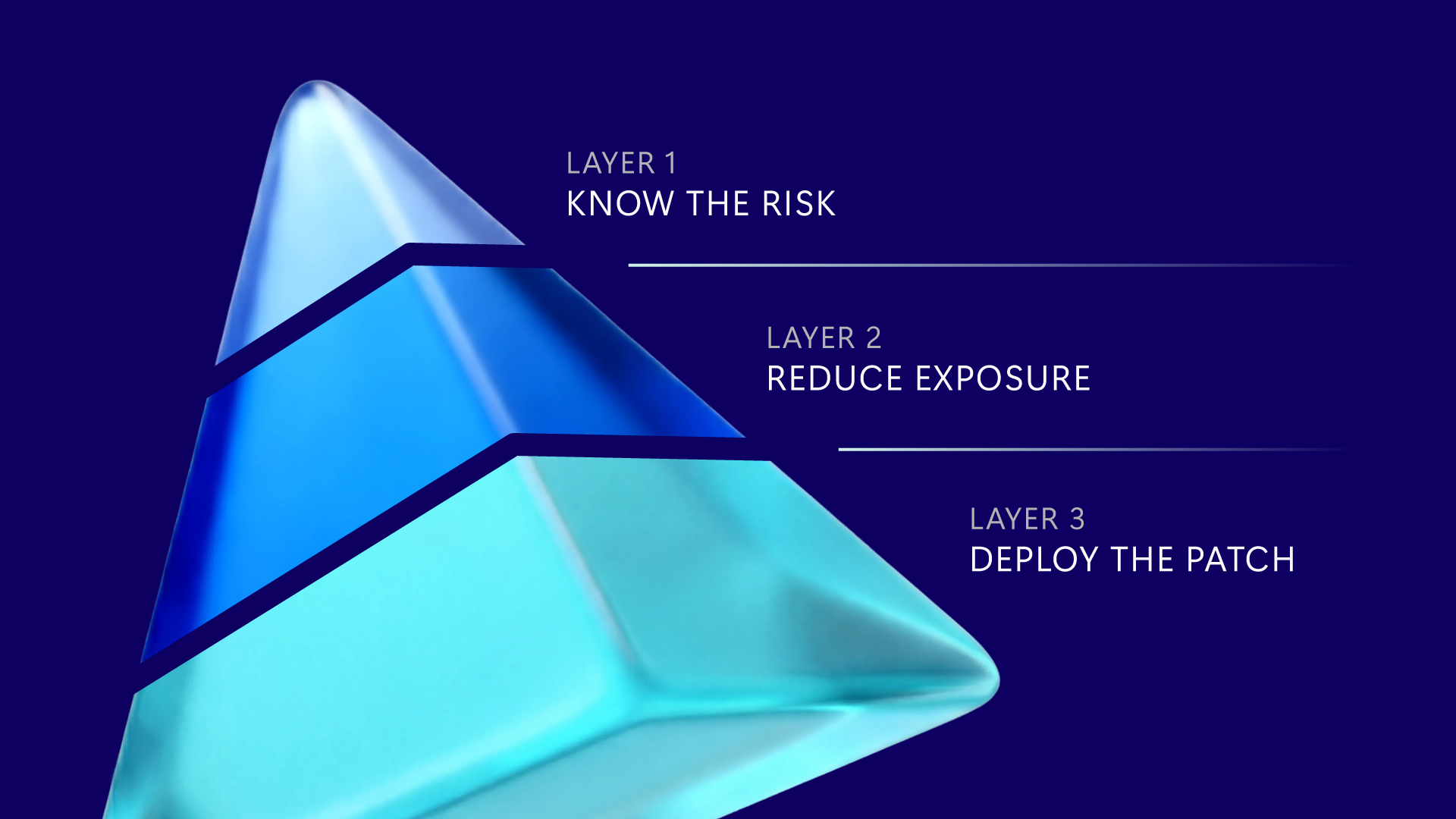
For decades, cybersecurity relied on a model where vulnerabilities were disclosed, assessed, and patched before attackers could exploit them at scale. Today, enterprises operate thousands of interconnected workloads across hybrid and multicloud environments, making it impractical to take critical systems offline for updates. Vulnerabilities are now weaponized faster than ever, with public disclosures and proof-of-concept exploits circulating globally within hours, leaving defenders with limited time to respond. Traditional vulnerability management assumed defenders could move faster than attackers, but modern attack campaigns operate at internet scale, compressing offensive timelines to hours rather than days or weeks. This creates a dangerous window between awareness and remediation, where attackers can exploit vulnerabilities before patches are deployed. AI is accelerating both defensive and offensive operations, enabling quicker analysis of vulnerabilities and attack paths, further reducing the time available for remediation efforts.
The challenge is not just identifying risks but reducing exposure while remediation is underway, particularly in environments where systems cannot be taken offline. Business-critical applications, manufacturing systems, and regulated environments often require extensive validation before updates can be deployed, leaving them vulnerable during the remediation process. Security platforms provide visibility, prioritization, and alerts, but awareness alone does not eliminate risk. Organizations need mechanisms to contain exposure immediately, even when patches cannot be applied right away. The focus is shifting from exposure awareness to exposure reduction, requiring complementary approaches to traditional vulnerability management.
Network-level protections are emerging as a key strategy to address this gap, operating around workloads rather than inside them. Unlike endpoint-based controls, network-level defenses can provide protection during periods of elevated risk, even when workloads cannot defend themselves. This approach is particularly valuable in hybrid and multicloud environments, where workloads are distributed across multiple platforms and locations. By focusing on reducing exposure rather than just identifying it, organizations can better protect critical systems while remediation is still in progress.
The structural imbalance between defenders and attackers is driving a reevaluation of cybersecurity strategies. Defenders must protect entire environments with thousands of assets, while attackers only need a single viable path to exploitation. As AI-assisted workflows continue to compress offensive timelines, the industry must adopt complementary measures to reduce exposure during the critical period between disclosure and remediation. The goal is to ensure that even when patches cannot be deployed immediately, organizations can still mitigate risk and protect their most critical operations.