How does Mowi protect biodiversity?
Mowi outlines its Biodiversity Strategy to minimize environmental impact across salmon farming, feed sourcing, freshwater use, and waste management, targeting measurable reductions by 2030.
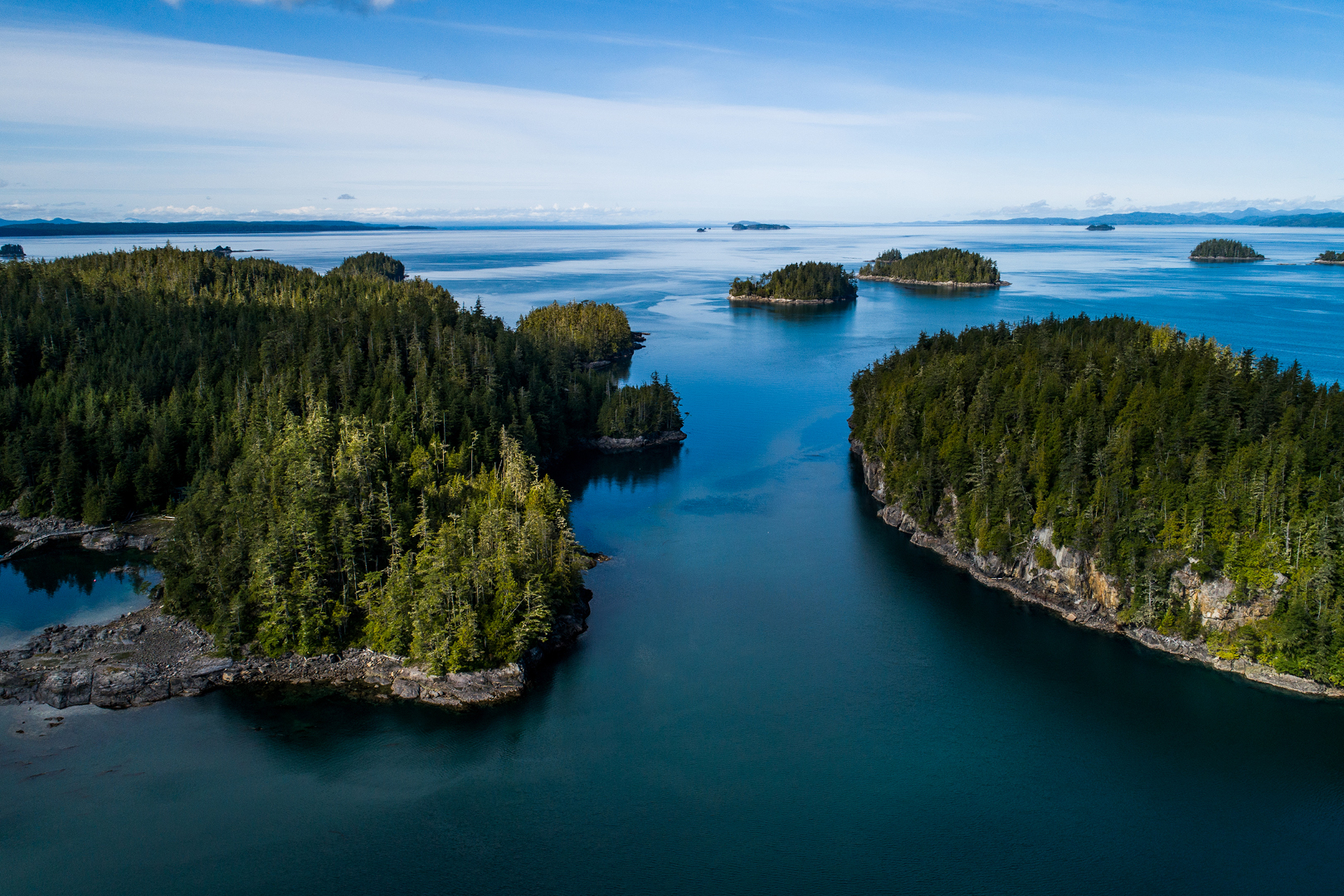
Mowi frames biodiversity protection as central to its sustainability strategy, aiming to integrate ecological considerations into all global operations. The company highlights the urgency of addressing climate change and biodiversity loss, positioning its Biodiversity Strategy as a response to ecosystem decline. By aligning business practices with environmental stewardship, Mowi seeks to reduce its footprint while supporting resilient ecosystems for future generations.
The company emphasizes responsible feed sourcing, noting a Fish In, Fish Out ratio of 0.56 kg wild fish per 1 kg farmed salmon. Feed ingredients are derived from certified sustainable fisheries or recognized improvement programs, with a 2030 target to include 10-15% emerging feed materials. Mowi also explores alternative ingredients to reduce reliance on marine raw materials while maintaining salmon nutrition and welfare.
Freshwater management is a priority, particularly during smolt production where most water use occurs. Mowi’s Recirculating Aquaculture Systems (RAS) recycle up to 99% of water, with facilities recycling over 39 million cubic meters in 2025. The company aims to cut water intensity at high-risk processing plants by 10% by 2030, balancing efficiency with hygiene standards.
Waste reduction is guided by circular economy principles, targeting 100% upcycling of offcuts by 2030. In 2025, 97% of farming equipment waste was recycled or reused, and at least 1,963 tonnes of plastic use were avoided. Mowi also aims for zero solid waste to landfill by 2030, reinforcing its commitment to resource efficiency and ecosystem protection.