Ike Theriot Helps Prepare Astronauts to Work on the Moon
NASA’s Ike Theriot prepares astronauts for lunar surface operations through testing, training, and mission development for the Artemis program.
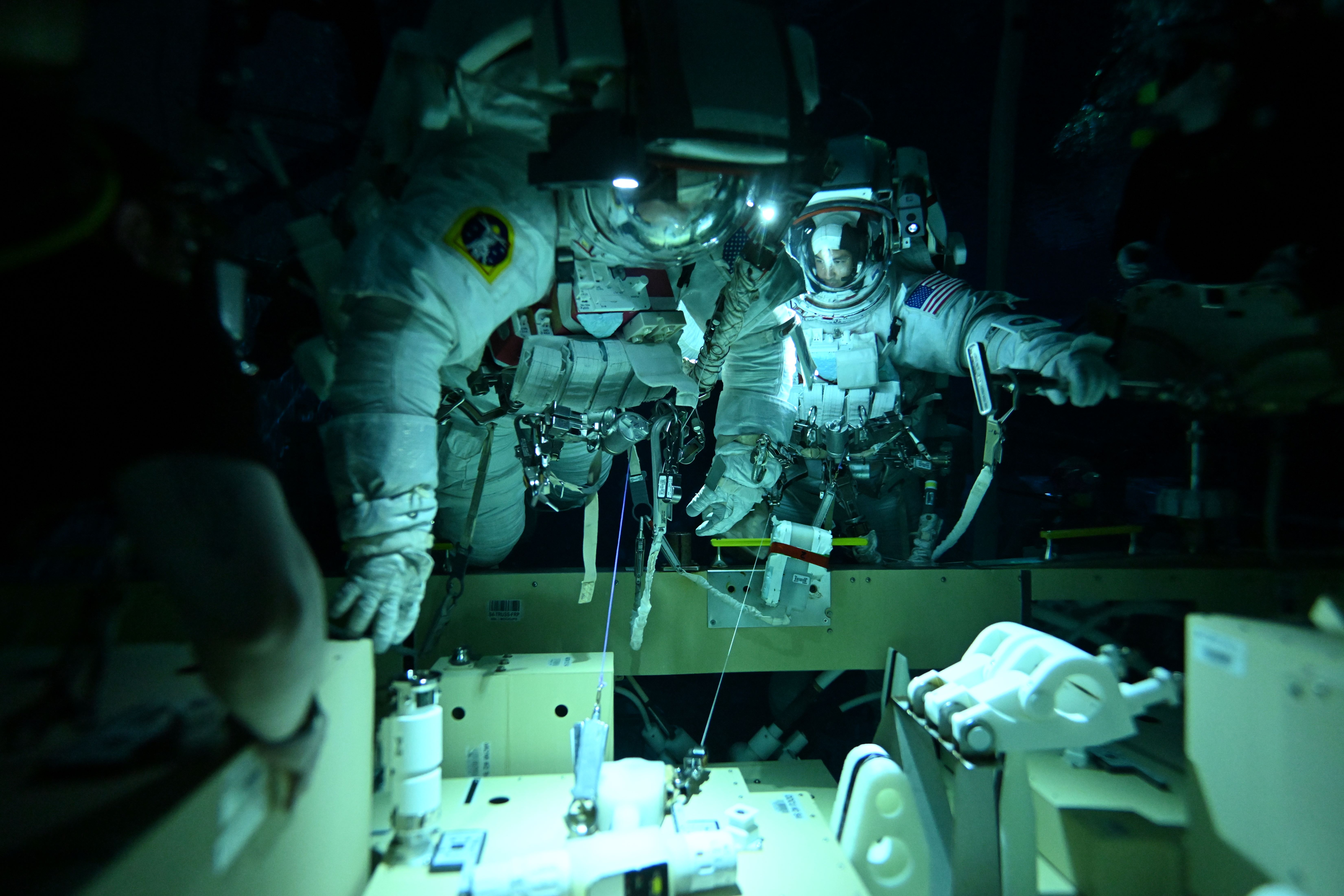
Ike Theriot serves as the Flight Operations Surface Testing lead at NASA’s Johnson Space Center, where he coordinates testing needs across the Artemis program to prepare astronauts for lunar missions. His work includes developing simulated moonwalks at Johnson and field sites, integrating systems like the Lunar Grid Reference System into flight controls. Theriot also trains astronauts and test conductors, ensuring teams refine procedures for both spacewalks and lunar surface operations. He has supported testing of NASA’s exploration spacesuit and Axiom Space’s AxEMU, using facilities such as the Neutral Buoyancy Laboratory and ARGOS to simulate lunar gravity and geologic sampling.
Theriot’s contributions extend to refining Artemis crew training, including evaluating lighting configurations for visibility in lunar-like conditions. He also serves as a certified flight controller for International Space Station spacewalks and has been selected as a capsule communicator, or capcom, where he will communicate between Mission Control and astronauts in orbit. His work bridges technical operations and mission execution, preparing teams for the challenges of lunar exploration. Theriot’s leadership in testing and training has been instrumental in shaping Artemis surface operations.
Beyond NASA facilities, Theriot has conducted field training at Kamestastin Crater in Labrador, Canada, alongside Artemis II crew members. The crater’s terrain mirrors lunar conditions, providing realistic geology training in a remote environment. His career path to NASA began during his Army service, where he developed an interest in space after repairing a satellite transceiver and later studying engineering while deployed. After leaving the military, he earned a mechanical engineering degree and joined NASA in 2016, aligning his work with the Artemis program’s return to the Moon.
Theriot emphasizes mentorship and leadership, having created a Field Navigation Exercise to build lunar surface navigation skills for others. He has led major spacesuit tests and coordinated teams, prioritizing the growth of future leaders in surface operations. Reflecting on his career, Theriot now views leadership as the greater challenge, enabling technical success. He hopes Artemis missions will demonstrate that seemingly impossible achievements are attainable, drawing inspiration from the Apollo era.