New Next-Gen Dish Adds Muscle to NASA’s Deep Space Network
NASA activated a new 34-meter antenna at Goldstone to expand its Deep Space Network, enhancing communications for over 40 deep-space missions including Mars orbiters and Voyager 1.
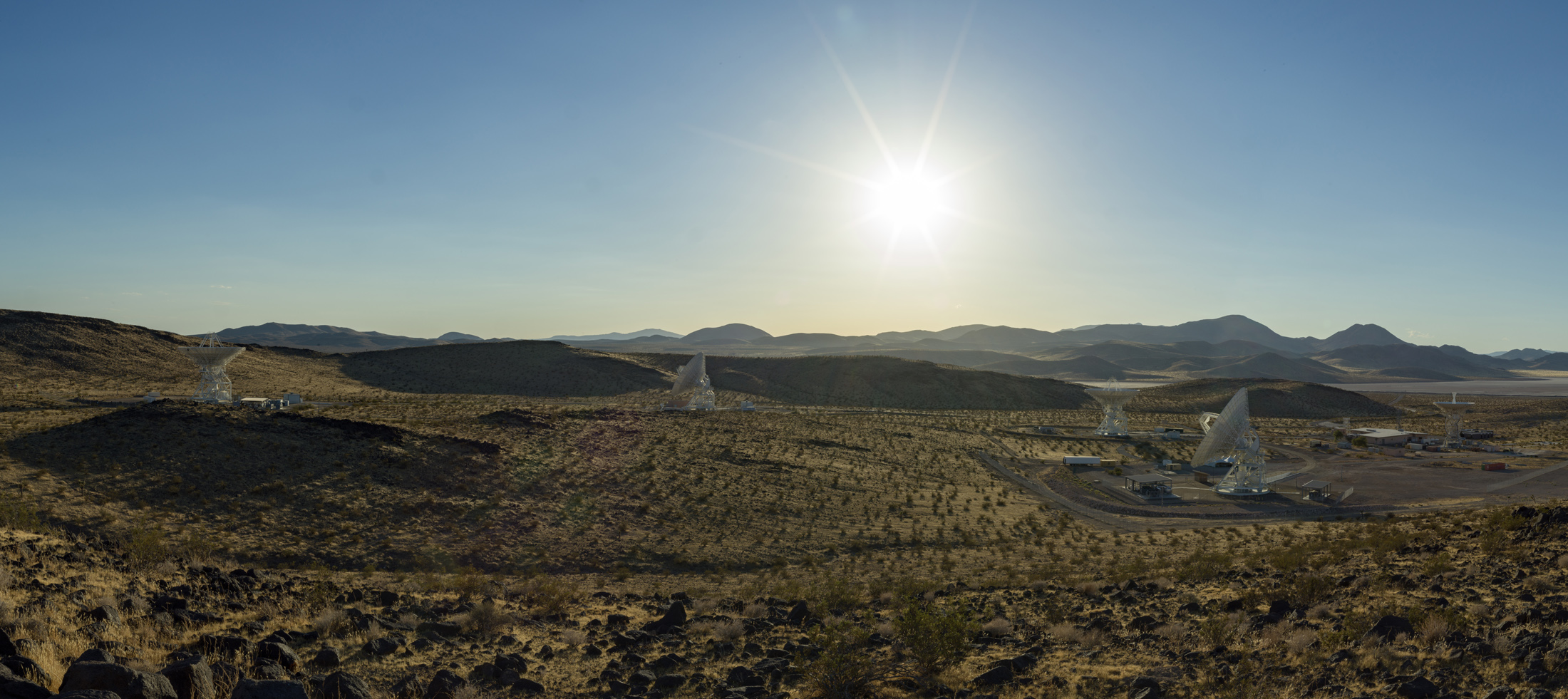
NASA’s Deep Space Network added a new 34-meter-wide antenna, Deep Space Station 23 (DSS-23), at the Goldstone complex near Barstow, California, as part of the Aperture Enhancement Project. The project, initiated in 2009, aims to modernize the network by installing six new multifrequency beam-waveguide antennas across three global sites. DSS-23 joins four existing antennas at Goldstone, increasing the facility’s capacity to support deep-space missions.
The new antenna began operations on August 3, 2024, after a testing phase from May to July, tracking NASA’s Chandra X-ray Observatory. It has since communicated with multiple missions, including the Mars Reconnaissance Orbiter, Psyche, Juno, and Voyager 1. The multifrequency design allows the antenna to handle diverse radio signals, improving versatility for missions operating at different frequencies.
Construction of DSS-23 started in February 2020, with the reflector framework installed in December 2024. Engineers completed calibration to integrate the antenna with the existing network, which includes facilities in Madrid and Canberra. The design directs signals to an underground room, reducing maintenance challenges and improving reliability for long-duration missions.
The Aperture Enhancement Project will conclude in 2029 with the activation of a sixth antenna at Canberra, bringing the total number of 34-meter antennas to 13. These upgrades aim to reduce reliance on aging 70-meter antennas, which are increasingly costly to maintain. Managed by JPL for NASA, the Deep Space Network supports over 100 missions, including Artemis and International Space Station operations.