NASA Technique for Manipulating Satellite Photos Now Reveals Ancient Images
NASA’s Jet Propulsion Laboratory technique, decorrelation stretch, enhances faded ancient images, revealing hidden details in Angkor Wat and other archaeological sites worldwide.
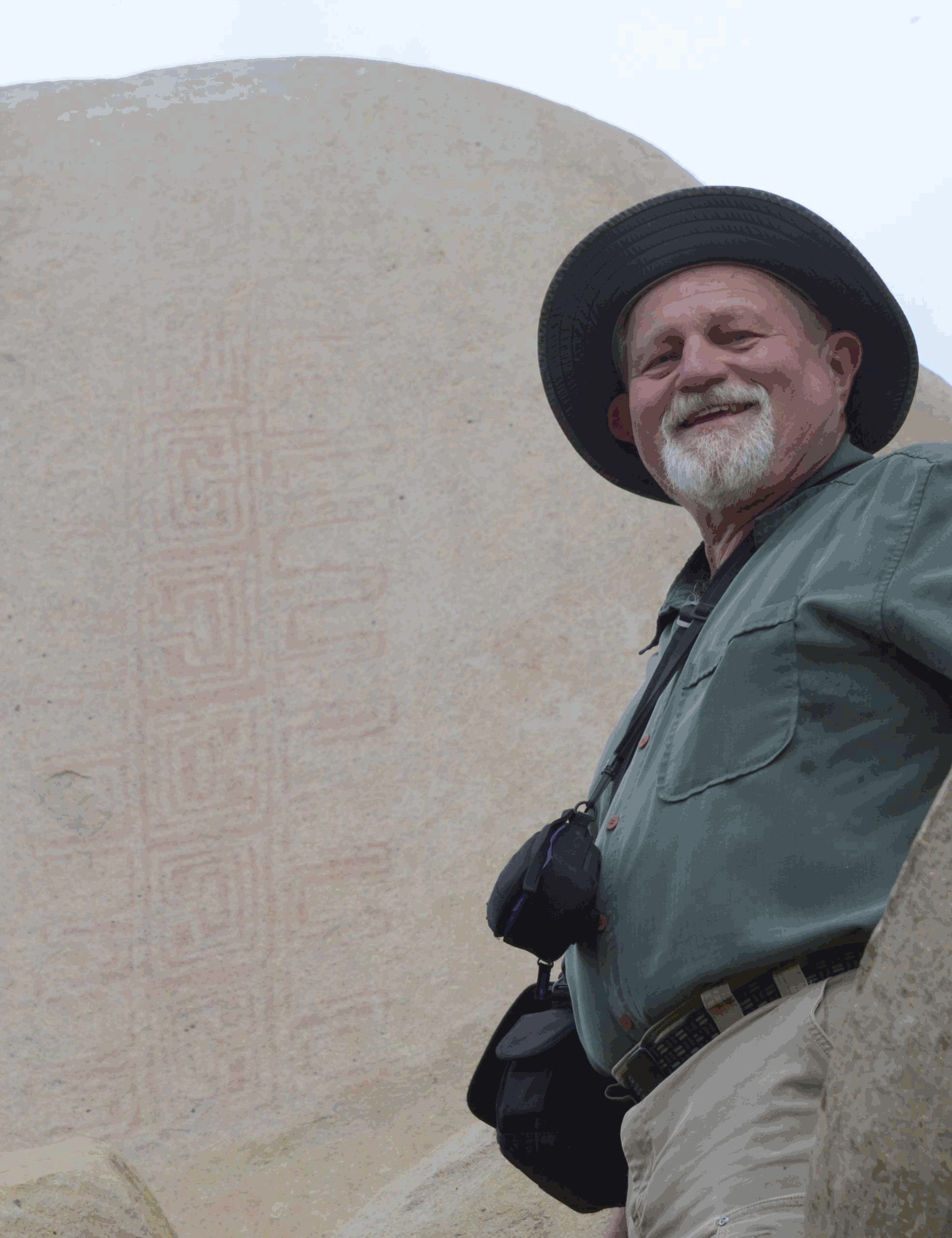
A NASA-developed image processing method called decorrelation stretch is helping archaeologists uncover faded paintings and carvings that are invisible to the naked eye. The technique, originally designed to analyze Martian surface imagery, amplifies contrasts in digital photos, making subtle features visible. At Cambodia’s Angkor Wat temple, it revealed long-hidden horseback riders and musical ensembles painted on the walls, first spotted between 2010 and 2012 by an archaeologist using the technique.
The method was adapted for archaeological use by Jon Harman, a retired medical imaging specialist in Pacifica, California, who recognized its potential after seeing NASA’s Martian surface images. Harman created a plug-in for ImageJ, an open-source medical imaging tool, and later developed smartphone apps that simulate the effect. The technique, known as Dstretch, has been downloaded thousands of times and is now widely used in rock art studies and other archaeological applications.
Dstretch has been applied at sites across the globe, including under a cliff in Norway, an Egyptian tomb, and a park in Canada. It has also assisted in identifying buried remains of ancient Greek buildings and analyzing tattoos on mummified human remains. The technique’s versatility has surprised even its creator, who noted its unexpected applications beyond rock art.
The decorrelation stretch method was first described in a 1996 NASA paper by Ronald Alley, a Jet Propulsion Laboratory employee working with ASTER imagery on NASA’s Terra satellite. Alley’s work built on an earlier invention by a JPL supervisor, demonstrating how space-based imaging tools can have practical applications in fields far removed from astronomy, including archaeology and medical imaging.