Career Spotlight: Mechanic (Ages 14-18)
NASA highlights mechanic careers for ages 14-18, detailing roles in aerospace, heavy equipment, and automotive fields, along with training pathways and required skills.
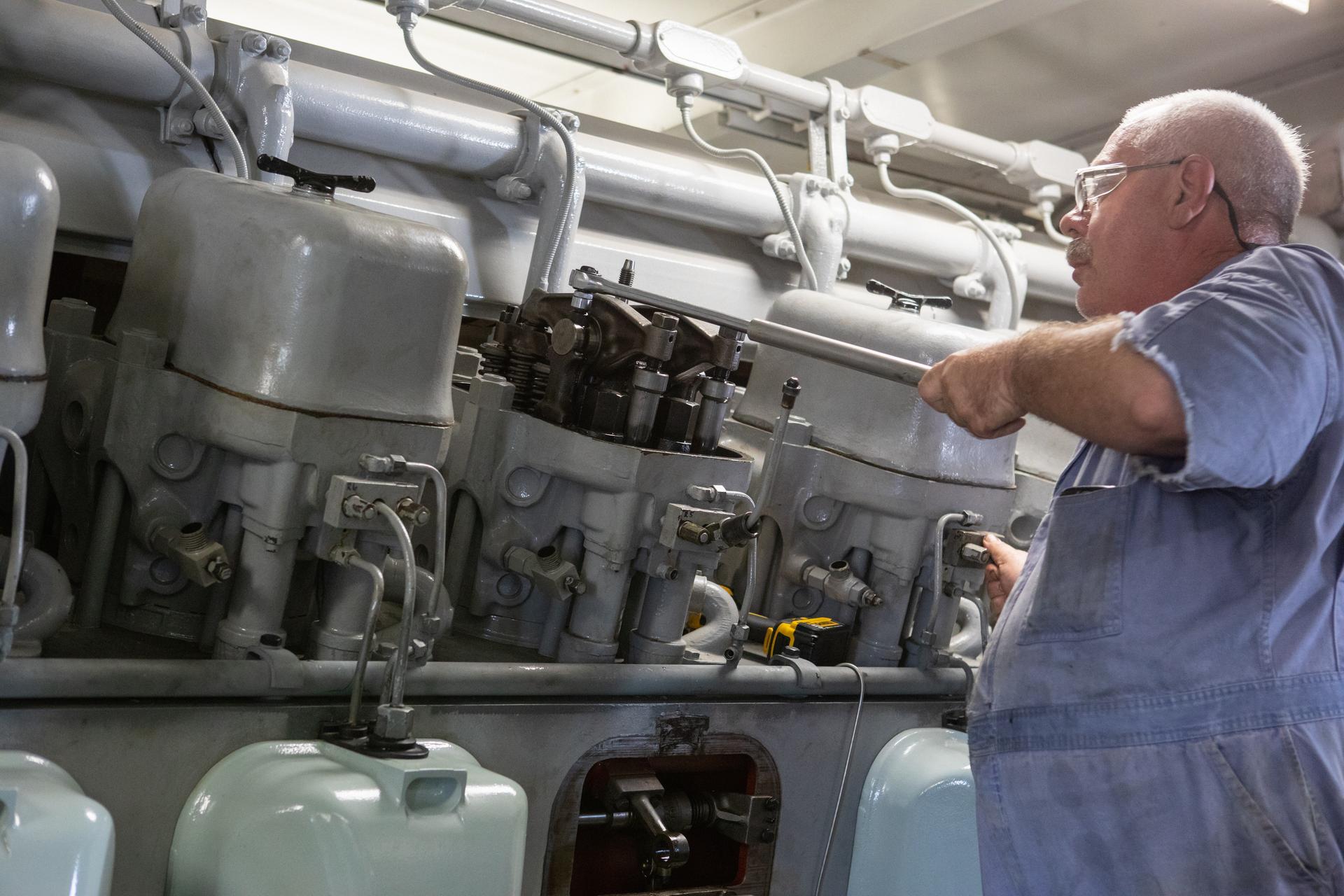
Mechanics specialize in maintaining and repairing machinery, including engines in cars, boats, airplanes, and rockets. At NASA, mechanics work on diverse equipment such as research planes at Armstrong Flight Research Center, crawler-transporters at Kennedy Space Center, and barges at Michoud Assembly Facility. These roles ensure critical operations like transporting rockets to launch pads and moving rocket sections between testing sites. The work spans environmental research aircraft, experimental designs, and decades-old transport systems.
Training for mechanics varies by specialty. Automotive mechanics typically complete high school followed by technical school programs, with certifications available for advanced skills. Heavy equipment mechanics often start with a two-year degree or apprenticeships, gaining three to four years of hands-on experience before certification. Aircraft mechanics pursue FAA-approved programs at community colleges or technical schools, combining coursework with hands-on training to prepare for certification exams.
Military service offers another pathway to mechanic training and certifications. High school students can prepare by taking math, science, and industrial technology courses, or enrolling in career and technical education programs. Practical experience can be gained through part-time jobs or shadowing at local repair shops. Online tutorials and repair manuals also help build foundational knowledge of machinery systems.
Mechanics require strong problem-solving skills to troubleshoot complex systems, with attention to detail for accurate measurements and safety compliance. The field demands adaptability as technology evolves, including advancements in electric vehicles and drones. Initiatives like staying curious and proactive can help aspiring mechanics identify suitable training programs, compare apprenticeship opportunities, and prepare for the next steps in their careers.