NASA’s NG-25 Mission to Launch Pioneering Space Crops Research
NASA will send a new space crop production system and precision health experiment to the ISS aboard Northrop Grumman’s NG-25 resupply mission to advance sustainable food and astronaut health research.
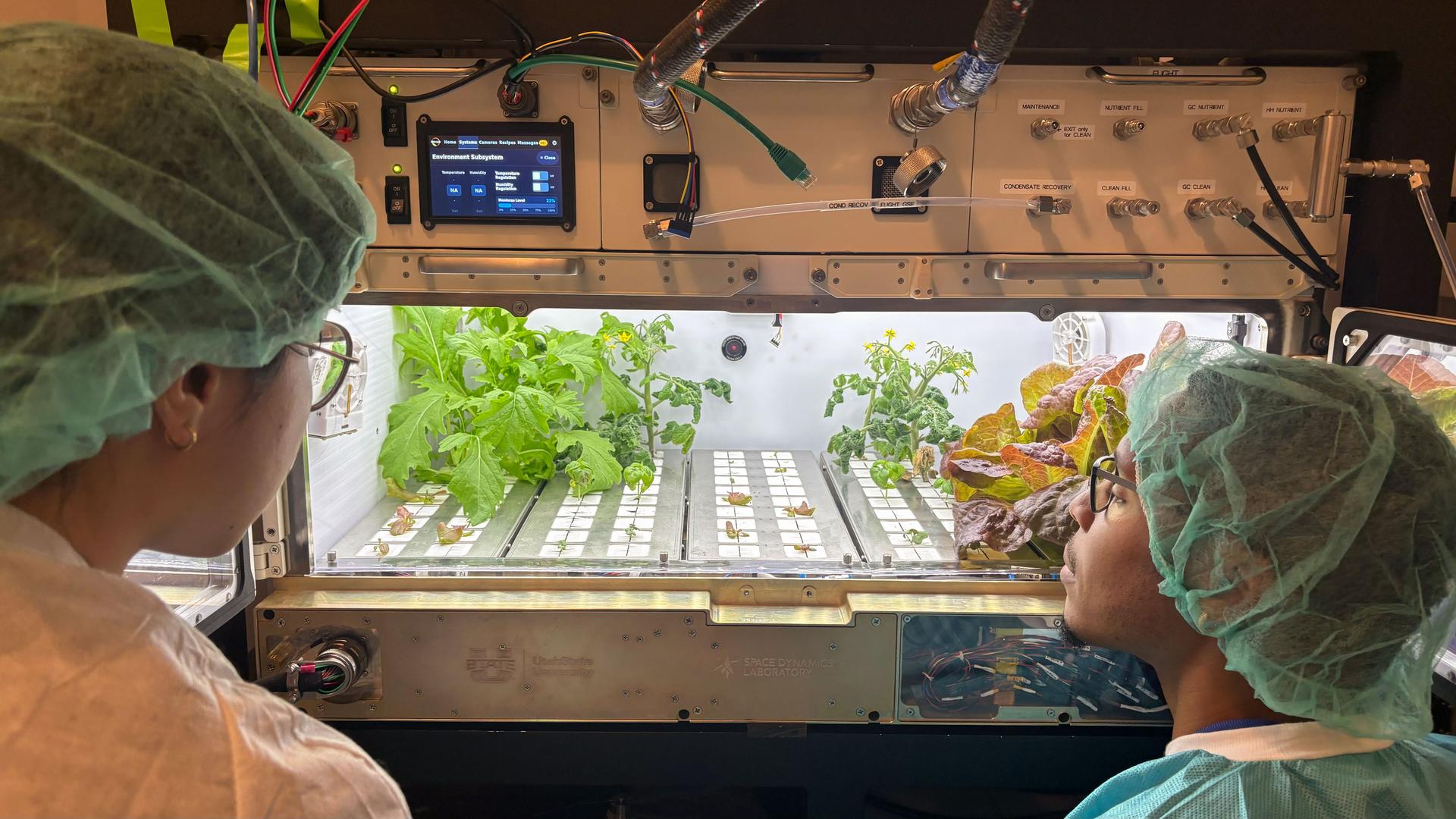
NASA is launching a first-of-its-kind space crop production system to the International Space Station aboard Northrop Grumman’s 25th Commercial Resupply Services mission. The prototype growth chamber aims to study how crops grow in microgravity, providing data for future Moon and Mars habitats where astronauts will need reliable food sources. Insights from this experiment could also improve agricultural practices like vertical farming and indoor growing systems on Earth.
The investigation includes a novel water delivery and volume optimization technology to be tested aboard the space station. Researchers will validate its performance to ensure safe, nutritious, and sustainable crop production in space environments. Findings may support the development of food systems for long-duration missions beyond low Earth orbit.
A precision health experiment will follow up on prior research involving lab-grown human brain models called miBrains sent to the space station. This study will validate a miniature fluid-handling system to maintain nutrient-rich liquid for brain tissue survival in microgravity. The goal is to identify neurological risks linked to spaceflight and develop protective strategies for astronauts.
The research is led by NASA’s Biological and Physical Sciences Division, which uses space environments to conduct investigations impossible on Earth. By studying biological and physical phenomena under extreme conditions, the division advances fundamental knowledge to enable longer-duration space exploration and benefit life on Earth.