NASA Tests Dual Mode Propulsion CubeSat Ahead of Launch
NASA completed ground tests on a shoebox-sized CubeSat featuring a unified propulsion system using a single non-toxic fuel tank to power both chemical and electric thrusters, aiming to reduce mass and cost for future missions.
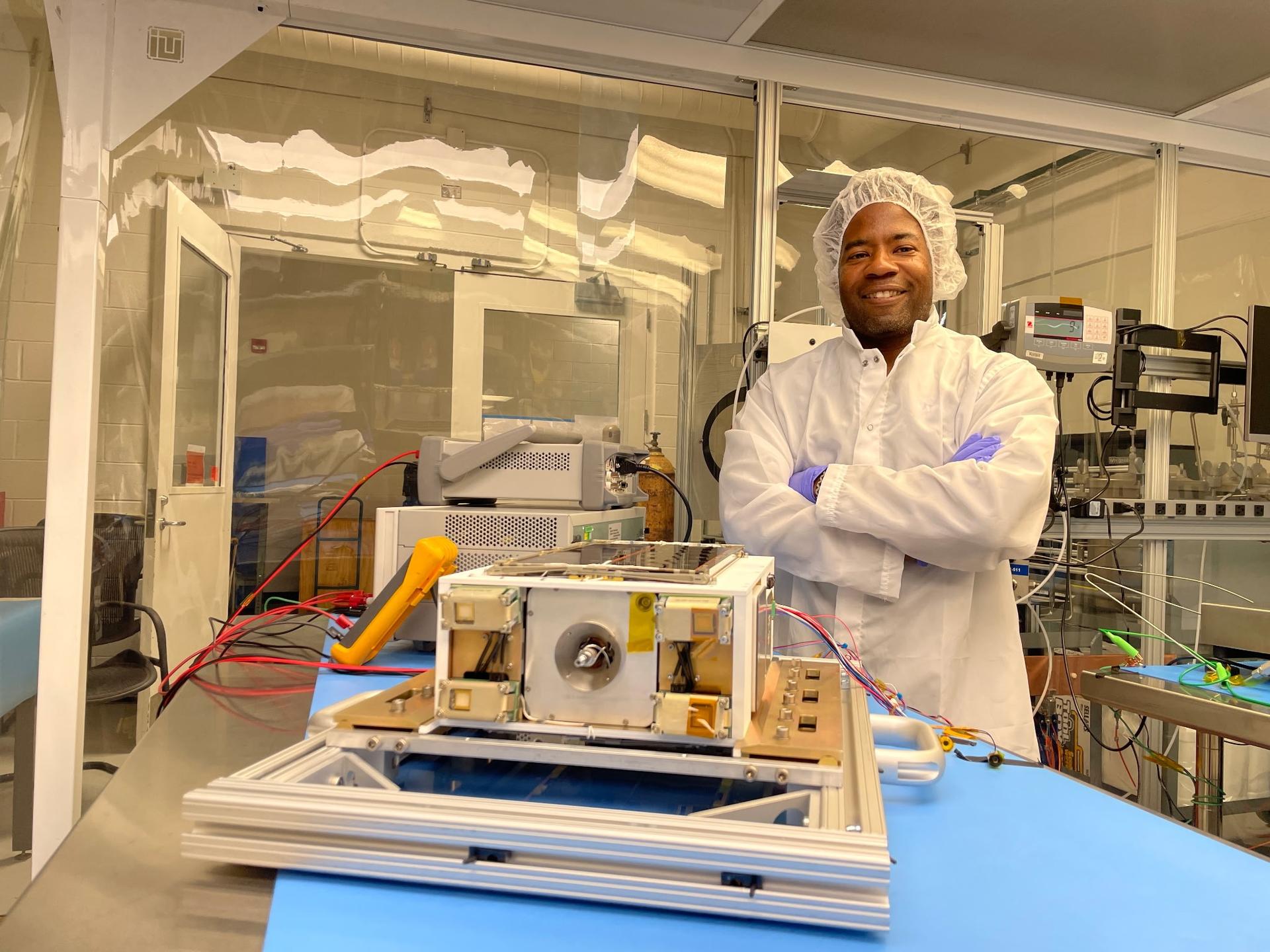
Spacecraft traditionally carry separate propulsion systems for different maneuvers, requiring multiple fuel tanks and heavy plumbing that consume valuable space and weight. NASA’s ASCENT Propulsion Dual Mode mission introduces a single integrated system using a common non-toxic propellant tank to feed both a high-thrust combustion engine and low-thrust electrospray thrusters. This design reduces mass and volume, allowing more room for scientific instruments and enabling launches on smaller, less expensive rockets.
The CubeSat, managed by NASA’s Marshall Space Flight Center, underwent rigorous environmental and physical tests to ensure readiness for spaceflight. Engineers conducted leak testing in a vacuum chamber to verify the integrity of the spacecraft’s seals, as the shared fuel tank requires flawless sealing for mission safety. Thermal vacuum testing simulated the harsh conditions of low Earth orbit, confirming the electronics, thrusters, and mechanical systems operate normally under extreme temperature swings.
A spin test validated the CubeSat’s mass properties and center of gravity, ensuring stable flight and correct attitude for communication and solar panel efficiency. The spacecraft’s balanced design is critical for maintaining proper orientation in orbit, allowing antennas to transmit data and solar arrays to capture sunlight effectively.
The mission is now in final preparation stages, with system checkouts, solar array integration, and shipment to Vandenberg Space Force Base for a planned launch no earlier than October 1 aboard a SpaceX Falcon 9 rocket. Once deployed 325 miles above Earth, the spacecraft will conduct a nine-month mission, alternating between chemical and electric maneuvers to demonstrate the dual-mode propulsion concept in space.