NASA, Virginia Launch Power Partnership for Energy Security
NASA and Virginia’s energy department will collaborate using NASA’s atmospheric data to improve state energy planning and resilience against extreme weather.
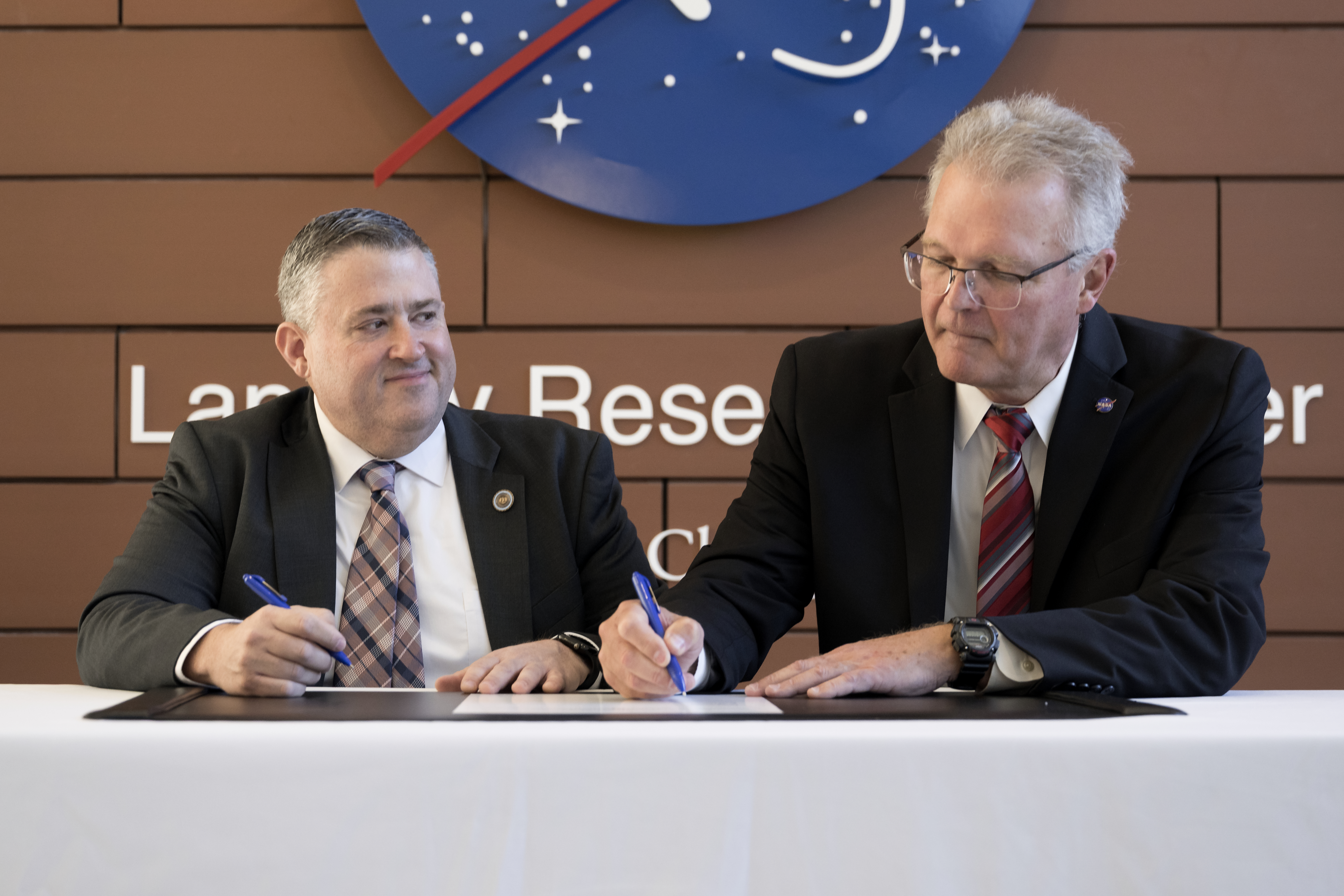
NASA Langley Research Center in Hampton, Virginia, has entered a Space Act Agreement with the Virginia Department of Energy to provide solar, meteorological, and weather risk datasets for energy system modeling. The partnership aims to assist Virginia Energy in resiliency studies, resource analysis, and long-term energy planning using NASA’s expertise in atmospheric sciences. State officials will use the data to assess electricity demand, generation, and system stress under current and potential extreme weather conditions.
The collaboration will integrate NASA’s Prediction of Worldwide Energy Resources (POWER) data products into Virginia Energy’s modeling and analysis system. These validated data products, developed across multiple NASA centers, support energy generation system designs and production predictions. Virginia Energy will access the POWER platform through a digital pipeline to download datasets directly into their modeling tools.
NASA Langley Deputy Director Allen Kilgore highlighted the center’s commitment to applying scientific data to improve public services, emphasizing benefits for Virginia’s citizens and energy security. Virginia Energy Director Vince Maiden noted that accurate models reflecting real-world conditions are essential for sound energy planning and vulnerability identification.
The partnership was facilitated through NASA Langley’s Strategic Partnerships Office, which connects external organizations with NASA’s technical expertise and facilities. NASA’s POWER team will collaborate with Virginia Energy researchers to streamline data exchange, adjust formats, and evaluate additional data needs for enhanced energy system modeling.