NASA Will Attempt to Observe Rocket Part’s Lunar Impact
NASA and SpaceX are tracking a Falcon 9 upper stage set to impact the Moon on August 5, with no risk to Earth. Scientists plan to observe the event to study lunar geology and refine space debris tracking methods.
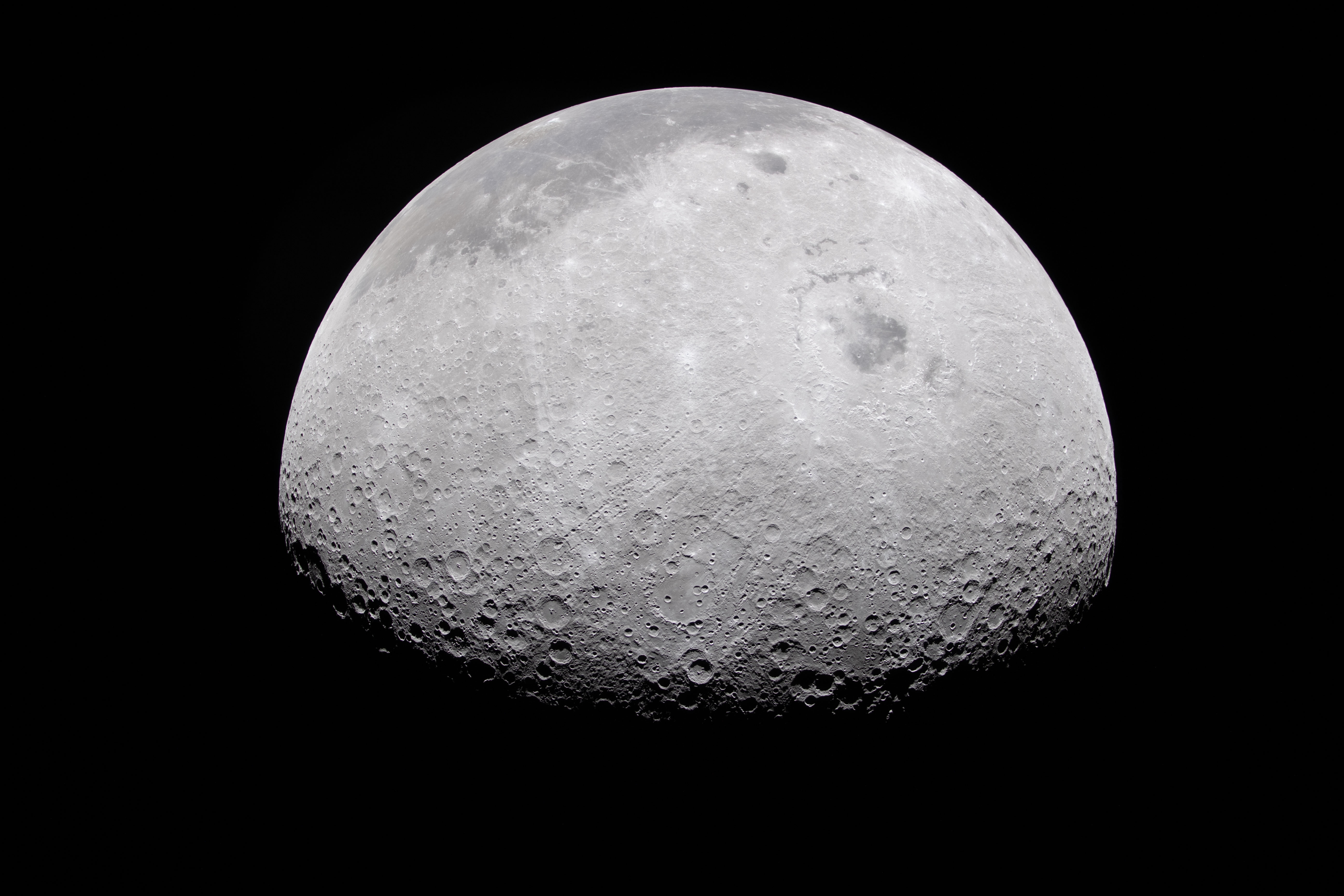
NASA and SpaceX are monitoring a discarded Falcon 9 upper stage from a January 2025 mission that will collide with the Moon on August 5 near the Einstein and Bell craters. The impact poses no threat to Earth, but NASA intends to gather data from the event to improve techniques for tracking objects in space. The stage’s trajectory was initially identified by independent astronomers using public data before NASA’s Center for Near Earth Object Studies at the Jet Propulsion Laboratory confirmed a 100% chance of impact.
The rocket stage is expected to create a 60-foot-wide crater and eject dust and rock outward upon impact. While meteoroids of similar energy strike the Moon roughly every six days, human-made impacts are rare but provide valuable opportunities for scientific observation. NASA’s Meteoroid Environments Office at the Marshall Space Flight Center will attempt real-time imaging using ground-based telescopes, though weather and lighting conditions may hinder visibility.
NASA’s Lunar Reconnaissance Orbiter and South Korea’s ShadowCam instrument aboard the Korea Pathfinder Lunar Orbiter will also attempt to capture images of the impact site before and after the event. Image availability depends on lighting, orbital timing, and spacecraft positioning, with results potentially delayed by several days. The data collected will enhance understanding of artificial impacts and their implications for future lunar exploration.
Although unplanned, controlled lunar impacts are a technically accepted disposal method for upper stages, particularly in low lunar orbit. NASA emphasizes responsible debris mitigation practices to protect Earth, orbital environments, and other planetary bodies while advancing scientific discovery. The agency remains committed to demonstrating safe and predictable end-of-life outcomes for spacecraft.