NASA Sets Coverage for Roman Space Telescope Launch from Florida
NASA and SpaceX are targeting the launch of the Nancy Grace Roman Space Telescope for August 30 from Florida aboard a Falcon Heavy rocket, with coverage beginning at 6:20 a.m. EDT.
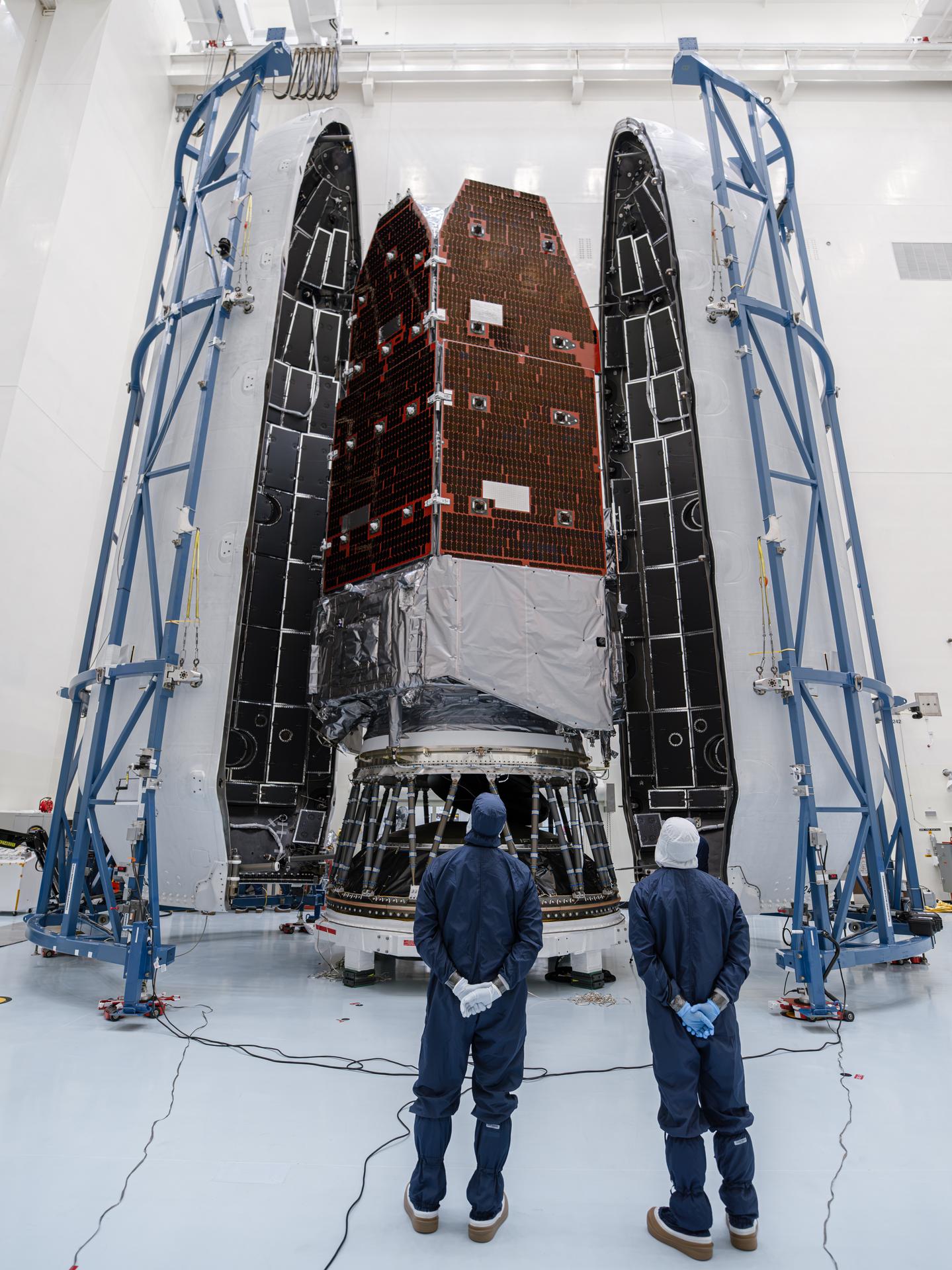
NASA has announced plans for live coverage of the prelaunch and launch activities for the Nancy Grace Roman Space Telescope, scheduled for no earlier than 7:26 a.m. EDT on Sunday, August 30. The observatory will lift off aboard a SpaceX Falcon Heavy rocket from Launch Complex 39A at Kennedy Space Center in Florida. Media and the public can access live updates, including a science briefing at 9 a.m. and a prelaunch news conference at 10:30 a.m., both subject to change based on real-time operations.
The Roman Space Telescope, named after NASA’s first chief astronomer, is designed to address major cosmic questions, including the nature of dark energy and dark matter. Equipped with infrared vision and a field of view 100 times larger than the Hubble Space Telescope, it will conduct wide-ranging surveys to study exoplanets, black holes, and galaxies. After launch, the telescope will travel to the second Sun-Earth Lagrange point, approximately one million miles from Earth, where it will operate for at least five years, with a goal of extending to a decade.
NASA’s coverage will include live streams and audio updates accessible through multiple platforms, such as NASA’s V circuits and amateur radio frequencies. The launch day programming will feature countdown activities without commentary on a dedicated audio channel, while the main livestream will provide real-time updates and blog posts. On-demand video and photos will be available shortly after liftoff, and the public can register for virtual attendance through NASA’s Virtual Guest Program.
The mission is managed by NASA Goddard with contributions from international partners, including ESA, JAXA, and CNES, as well as industrial collaborators like BAE Systems, L3Harris Technologies, and Teledyne Scientific & Imaging. The Launch Services Program at Kennedy oversees the mission’s launch operations. Science data from the telescope will be publicly accessible after processing.