BioWare's incredible legacy will continue as long as there are RPGs
BioWare’s closure marks the end of an era, but its legacy endures through the RPGs it inspired, from Baldur’s Gate to Mass Effect and beyond.
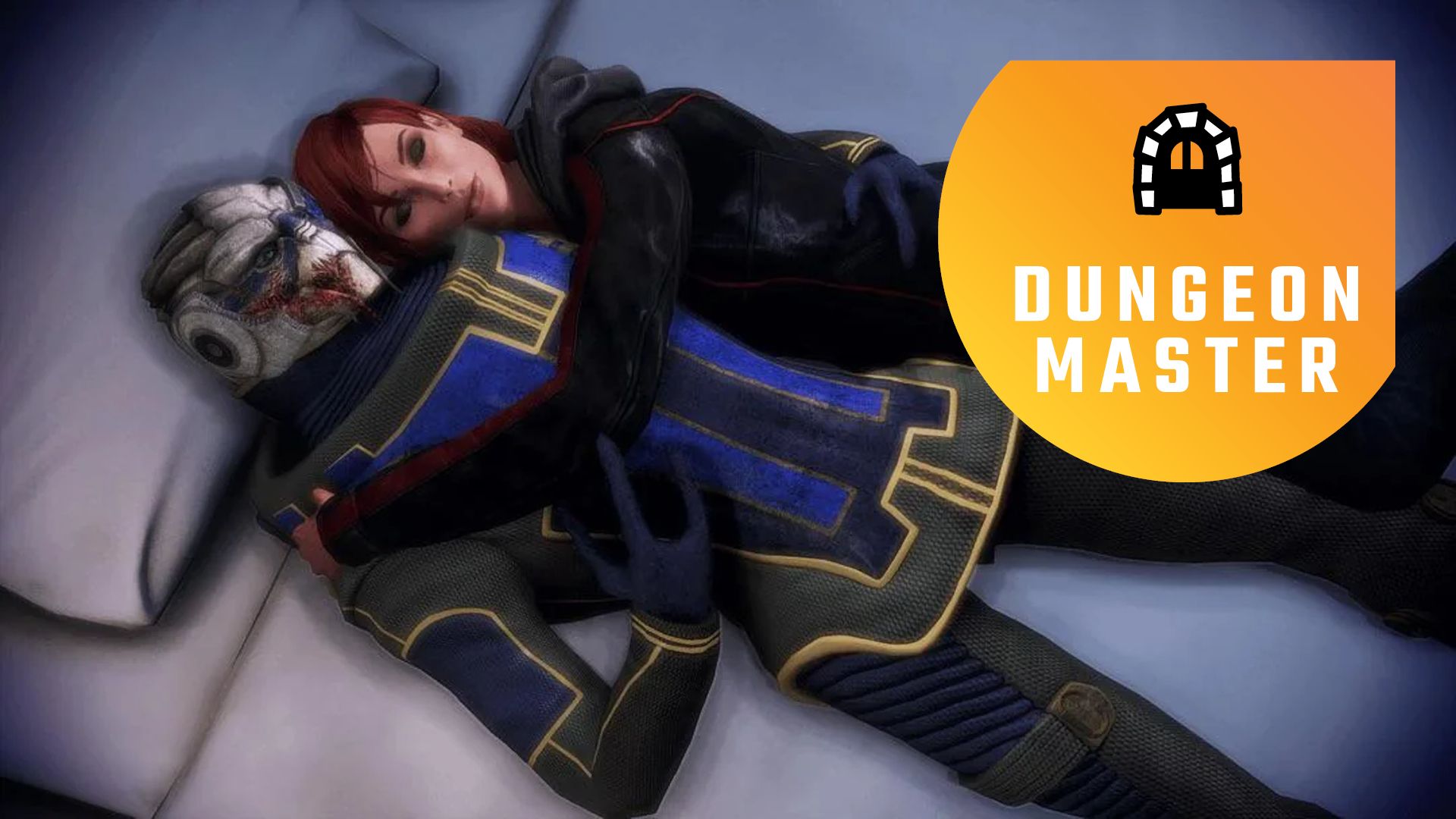
EA’s decision to shut down BioWare follows years of corporate mismanagement that overshadowed the studio’s contributions. BioWare’s early Infinity Engine games, like Baldur’s Gate, defined a generation of CRPGs and remain influential decades later. Studios such as Larian, Obsidian, and Owlcat continue to build on its foundation, with titles like Baldur’s Gate 3 and Pillars of Eternity directly tracing their roots to BioWare’s work.
The studio’s impact extends beyond its own games, notably through the Aurora Toolset in Neverwinter Nights. Released in 2002, the toolset empowered players to create and share their own adventures, fostering a modding community that persists today. This legacy also extends to CD Projekt, which licensed the Aurora Engine for The Witcher, a relationship that began with localizing Baldur’s Gate in Poland.
BioWare adapted to shifting industry trends, blending CRPG mechanics with console accessibility in Star Wars: Knights of the Old Republic. The game’s influence is evident in modern RPGs, from its alignment systems to its branching narratives and companion-driven storytelling. Its sequel, KotOR 2, and BioWare’s later MMORPG, SWTOR, further cemented these innovations.
BioWare’s final major shift came with Mass Effect, which moved beyond traditional CRPGs while retaining its signature storytelling. The series’ success demonstrated BioWare’s ability to evolve, leaving a lasting imprint on action-RPGs and narrative-driven games across the industry.