One of the buggiest D&D games ever released, Pool of Radiance: Ruins of Myth Drannor, is back and actually playable again
A notoriously buggy 2001 D&D dungeon crawler has been re-released with fixes and modern conveniences, making it playable for the first time in decades.
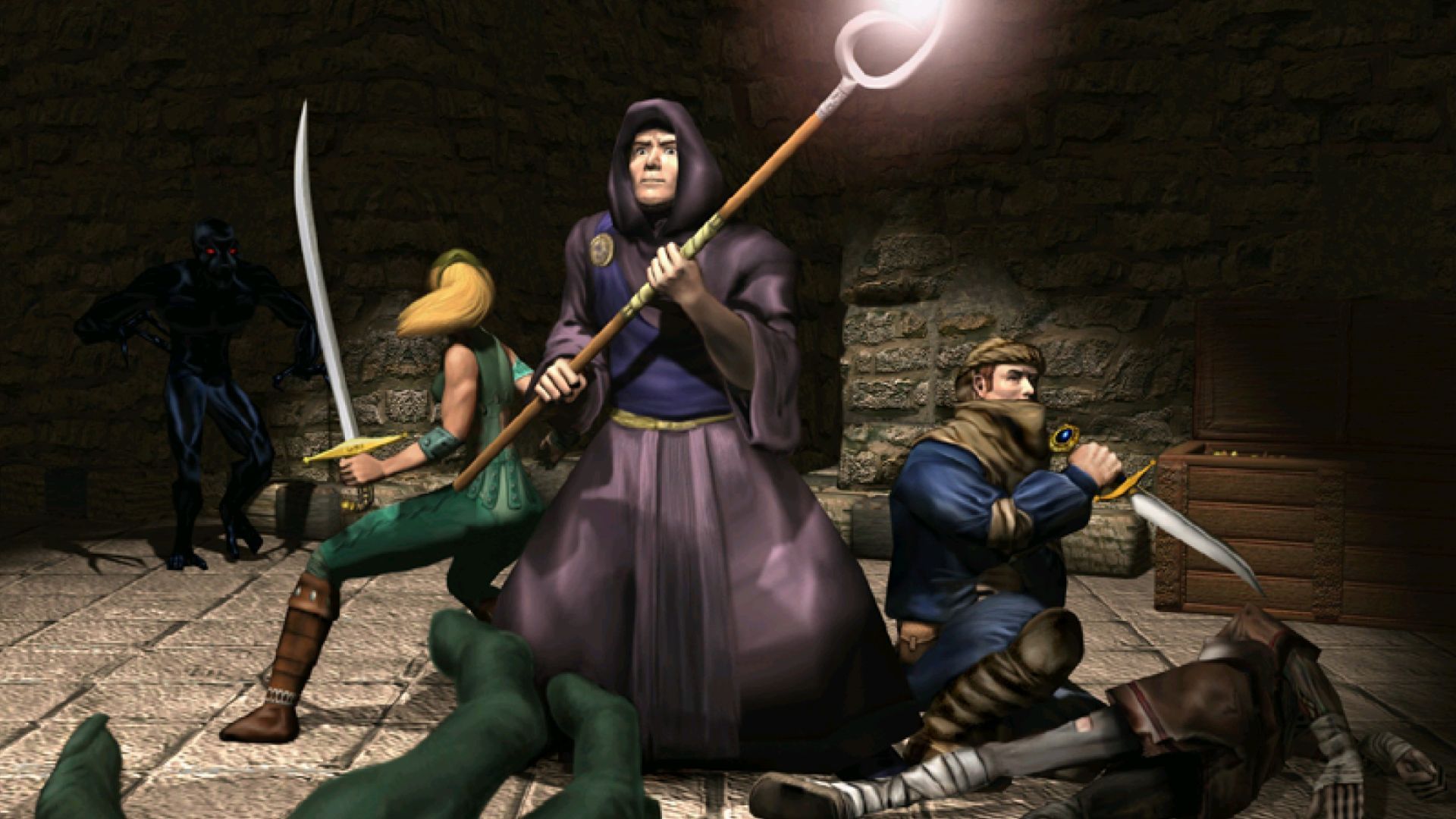
Pool of Radiance: Ruins of Myth Drannor, released in 2001, was widely criticized for severe technical flaws, including save corruption, missing quest items, and even system file deletion upon uninstallation. The original review described it as containing "a multitude of outrageous bugs" that made the game nearly unplayable for many users. SNEG's re-release on Steam and GOG addresses these issues, restoring the game while adding features like widescreen support, controller compatibility, adjustable combat speed, tooltips, an action bar, and improved visuals.
The re-release transforms a historically problematic title into a functional experience, though it remains a simplistic turn-based dungeon crawler rather than a polished RPG masterpiece. It serves as a spiritual successor to the 1988 Gold Box Pool of Radiance, adapting the third edition of Dungeons & Dragons rules, which introduced significant changes like any class being available to any character and Armor Class increasing instead of decreasing. The game also formalized the d20 roll mechanic still used in later editions.
Despite these improvements, the re-release omits key elements of the third edition rules, such as the ability to play as a wizard, halfling, or gnome. Character progression is also limited, with players choosing class improvements at level-ups but lacking control over skill points or feats. The story, set a decade after the original, follows a B-team of adventurers sent to clean up after the A-team fails, leading to a slow-paced slog through repetitive dungeon rooms filled with orcs and undead.
The re-release is positioned as a low-stakes, undemanding RPG ideal for casual play between more demanding titles. While the game lacks depth and narrative complexity, its straightforward mechanics and nostalgic appeal make it a guilty pleasure for fans of tabletop D&D. The restoration of a once-unplayable classic has been welcomed by players who previously avoided it due to its reputation.