Steam game disables mods after facing its second Workshop malware outbreak this year
Steam Workshop mods face renewed security concerns after a self-replicating virus disrupted People Playground, prompting the developer to disable mod functionality.
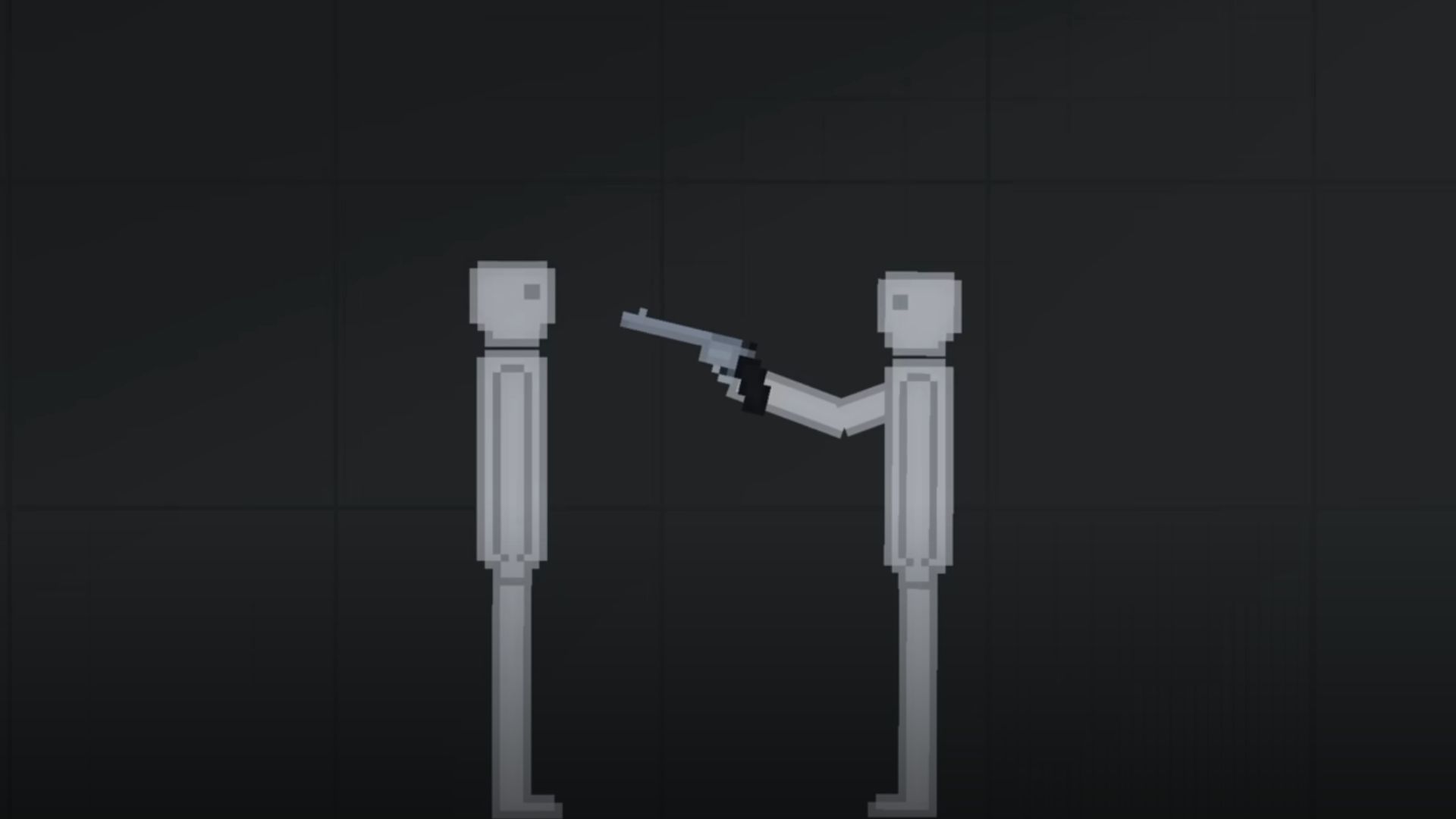
A self-replicating virus has disrupted People Playground, a Steam Workshop game, forcing its primary developer, zooi, to acknowledge the game’s security vulnerabilities. In a recent blog post, zooi described the game as a 'technical hellscape,' stating that sandboxing mods is 'technically impossible' in its current state. The developer admitted that existing measures to prevent malicious mod activity are inadequate, calling the situation a 'hopeless arms race.'
This incident marks the second malware outbreak in People Playground this year, raising concerns about the game’s long-term viability on Steam Workshop. The developer’s lack of confidence in the project’s security measures underscores broader issues with Steam’s open publishing platform, which prioritizes accessibility for small developers over stringent software security.
Steam Workshop has faced multiple malware incidents in 2026, including malicious Project Zomboid mods in April, virus-laden Wallpaper Engine content in June, and malware-infected Meccha Chameleon maps in July. These incidents highlight the risks associated with Steam’s relatively open ecosystem, where small developers may struggle to match the security standards of larger studios.
The recurring malware outbreaks reflect a systemic challenge for Steam Workshop, where the benefits of a diverse library of indie games are offset by recurring security vulnerabilities. While the platform enables innovation and creativity, it also exposes users to potential risks, prompting developers like zooi to reconsider the viability of supporting modding systems.