VR headset shipments are down 18% compared to this time last year, and that may not be great news for Valve
Global VR headset shipments fell 18% year-on-year in Q2 2026, pressuring Valve’s upcoming Steam Frame launch amid cooling demand and rising hardware costs.
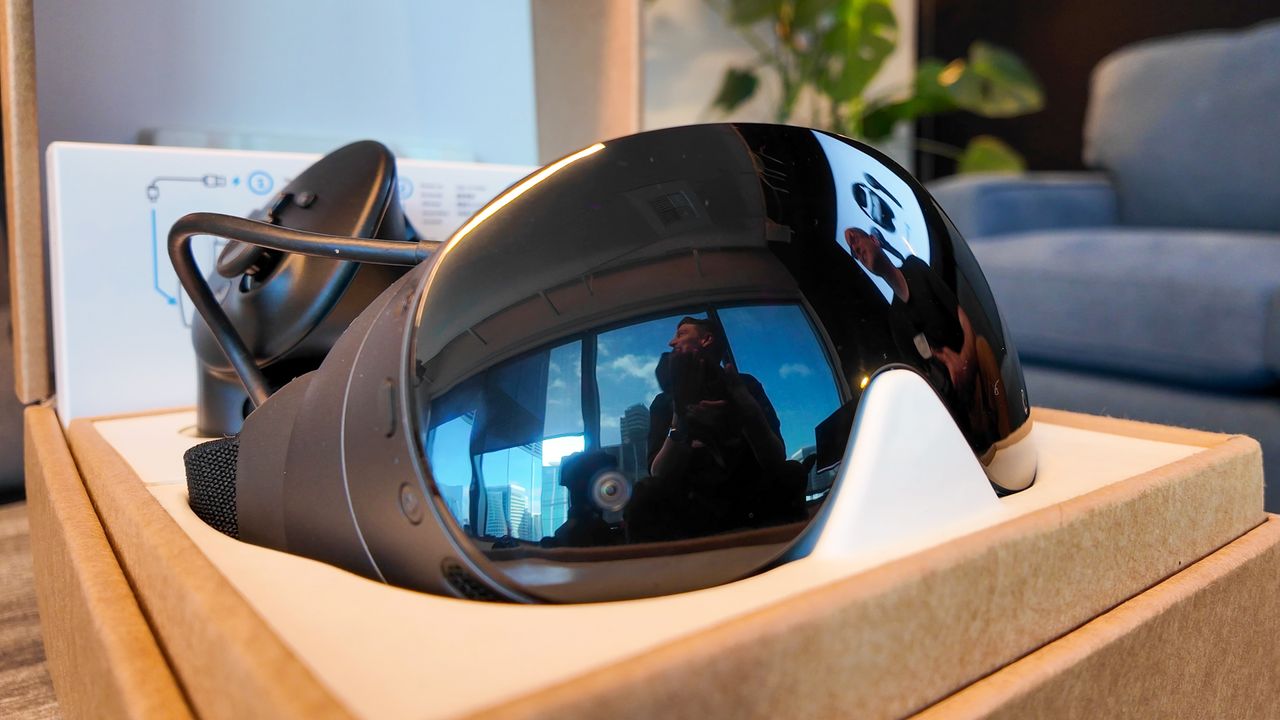
Global shipments of VR headsets dropped 18% in the second quarter of 2026 compared with the same period last year, according to Counterpoint Research. The decline reflects broader market trends, including a lack of major game releases and persistent pricing pressures across consumer hardware. Valve’s planned Steam Frame headset faces an uphill challenge in a shrinking market already dominated by established players.
Counterpoint Research attributes the slowdown to both weak consumer demand and rising costs, noting Meta’s price increases for the Quest 3 and Quest 3S due to a memory supply crisis. The firm also highlights that VR remains niche in gaming, with Valve’s Half-Life: Alyx still setting a high standard six years after release. The absence of new blockbuster titles has further dampened interest in VR hardware.
Despite the downturn in consumer VR, enterprise and government sectors continue to adopt the technology for digital twin and spatial computing applications. Demand for VR headsets in robotics, particularly for data collection and remote control in China, is projected to grow this year. This contrast underscores the divergent trajectories of consumer and industrial VR markets.
Meta’s AR devices, including smart glasses, saw shipments surge 138% year-on-year and 10% quarter-on-quarter in Q2 2026, driven by new product launches and promotional campaigns in China. Meta holds a 54% share of the global AR/VR OEM market outside China, while Valve’s Steam Frame must compete in a cooling VR landscape with limited pricing flexibility amid ongoing supply constraints.