The Industrial Revolution is the reason RPGs have area-of-effect spells: A PC Gamer Causality Chain™
A PC Gamer analysis traces the origin of area-of-effect spells in RPGs to the Industrial Revolution, linking Tolkien’s depictions of industrialization to early wargame mechanics and digital RPGs.
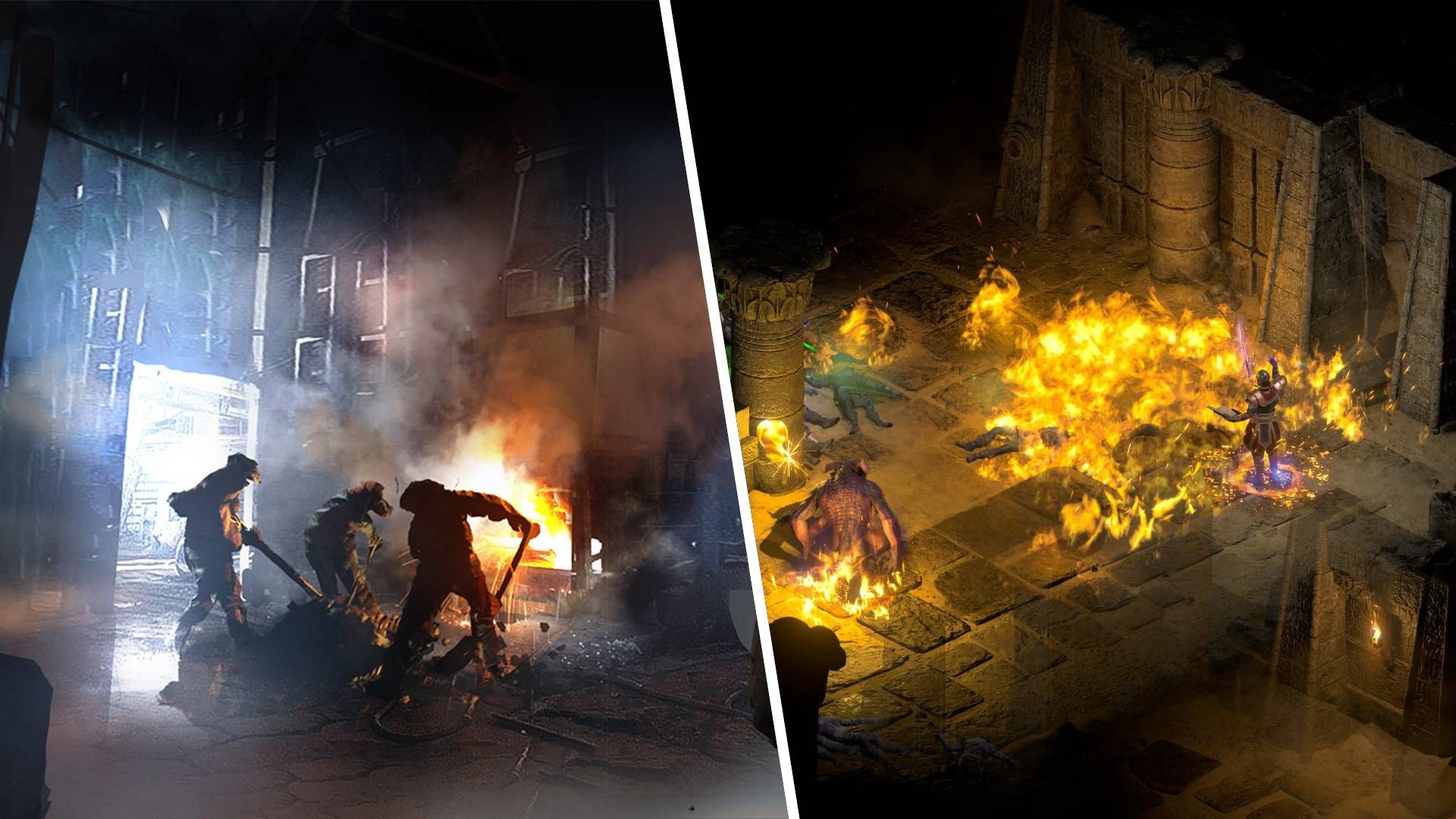
The Industrial Revolution’s transformation of landscapes and labor inspired J.R.R. Tolkien’s portrayal of industrialization as a destructive force, particularly in his depiction of Saruman’s factories in *The Lord of the Rings*. Tolkien’s childhood memories of the Midlands, later known as the Black Country, shaped his vision of progress as a loss of natural beauty and harmony.
Tolkien’s works introduced magical fire as a tool of destruction, contrasting Gandalf’s restrained use with Saruman’s explosive industrial applications. This duality in magical fire’s portrayal influenced later fantasy narratives and game design, embedding the concept of controlled versus chaotic power.
In 1970, Leonard Patt’s *Rules for Middle Earth* formalized Gandalf’s magical fire as an area-of-effect spell in wargaming, introducing mechanics like burst radii and saving throws. This innovation became a foundational element for future RPG spell systems, bridging tabletop games and digital adaptations.
By the mid-1980s, early digital RPGs like *Ultima* and *Wizardry* expanded area-of-effect mechanics, with games such as *Ultima 4* and *Ultima 5* introducing spells affecting entire enemy groups or screen-wide areas. These developments reflected a broader evolution in game design, rooted in historical and literary influences.