7 Reasons FF7 Is the Ultimate Video Game Fairy Tale
Final Fantasy 7 blends fairy tale tropes with adult themes, using Midgar’s Shinra empire, Cloud’s identity crisis, and Aerith’s sacrificial role to craft a modern myth.
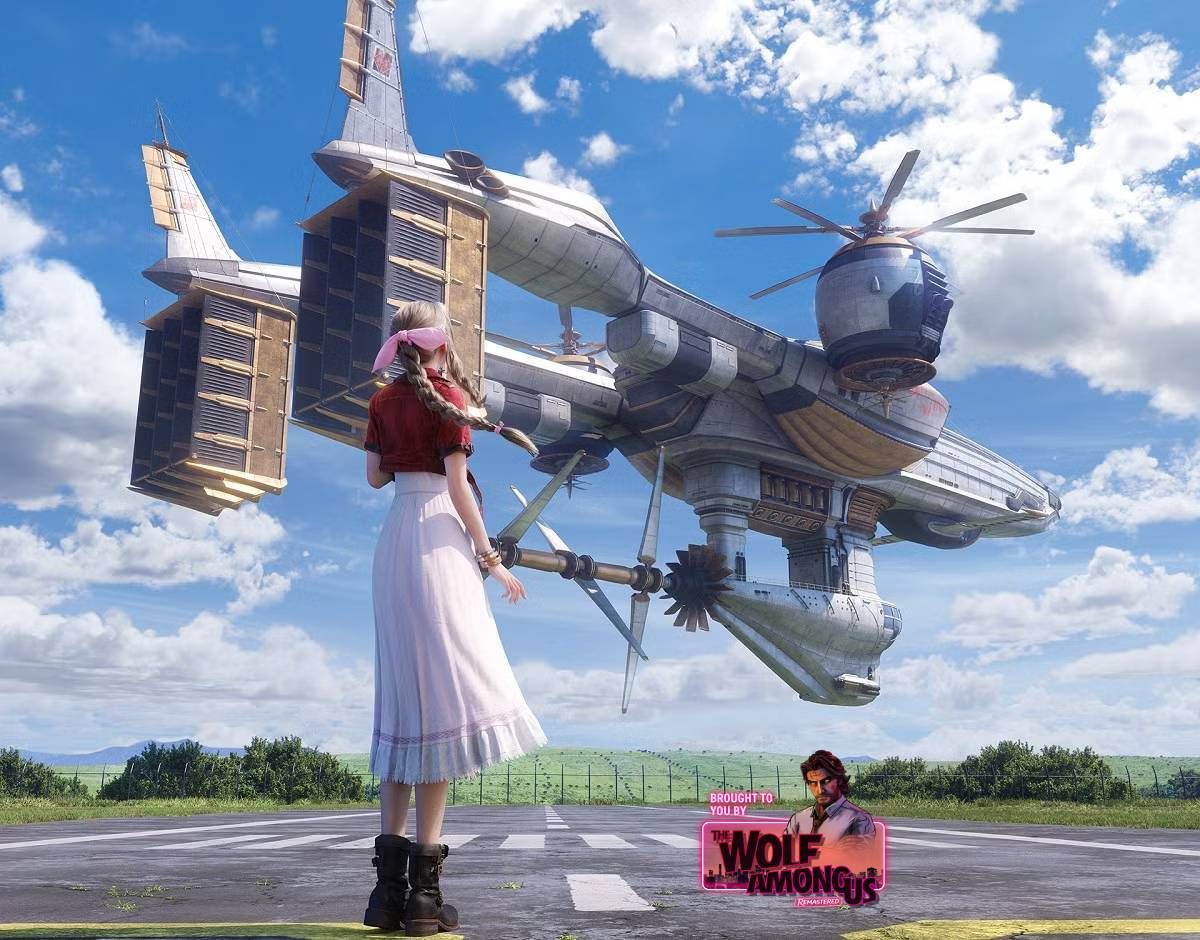
Final Fantasy 7 reimagines classic fairy tale elements within a dystopian sci-fi setting, replacing medieval castles with Midgar, a sprawling metropolis controlled by the Shinra Corporation. The city’s towering Mako reactors and central skyscraper symbolize corporate power and environmental exploitation, anchoring the narrative’s themes of greed and resistance. While the visuals borrow from anime aesthetics, the story’s moral complexity and flawed characters align it with adult-oriented fairy tales rather than children’s stories.
Cloud Strife inverts traditional fairy tale heroes like King Arthur, beginning as a delusional Shinra soldier seeking validation before confronting his fractured identity. His journey mirrors impostor syndrome, where external expectations clash with self-perception, making his struggles relatable despite his over-the-top combat skills. The narrative’s focus on regret and self-acceptance contrasts with the genre’s usual triumphant arcs, offering a grounded take on heroism.
Magic in FF7 takes the form of Mako, a resource extracted from the planet that fuels both technological progress and ecological decay. The Shinra Corporation’s exploitation of Mako reflects real-world resource extraction, where profit motives override ethical considerations. Sephiroth, the primary antagonist, embodies this corruption, manipulating events from afar while Cloud grapples with hallucinations and unresolved trauma tied to their shared past.
Aerith Gainsborough subverts the damsel-in-distress trope by serving as the story’s pivotal figure, destined to commune with the planet’s Lifestream. Her role as the last Cetra underscores themes of sacrifice and legacy, culminating in a liminal fate between life and death. The remake’s central question—whether Aerith can be saved—highlights the narrative’s emotional stakes and the enduring appeal of its mythic structure.