Multi-Stage Boss Fights Are the Worst Video Game Mechanic of All Time
Multi-stage boss fights often frustrate players by resetting or extending boss health without player recovery, undermining achievement and replay value.
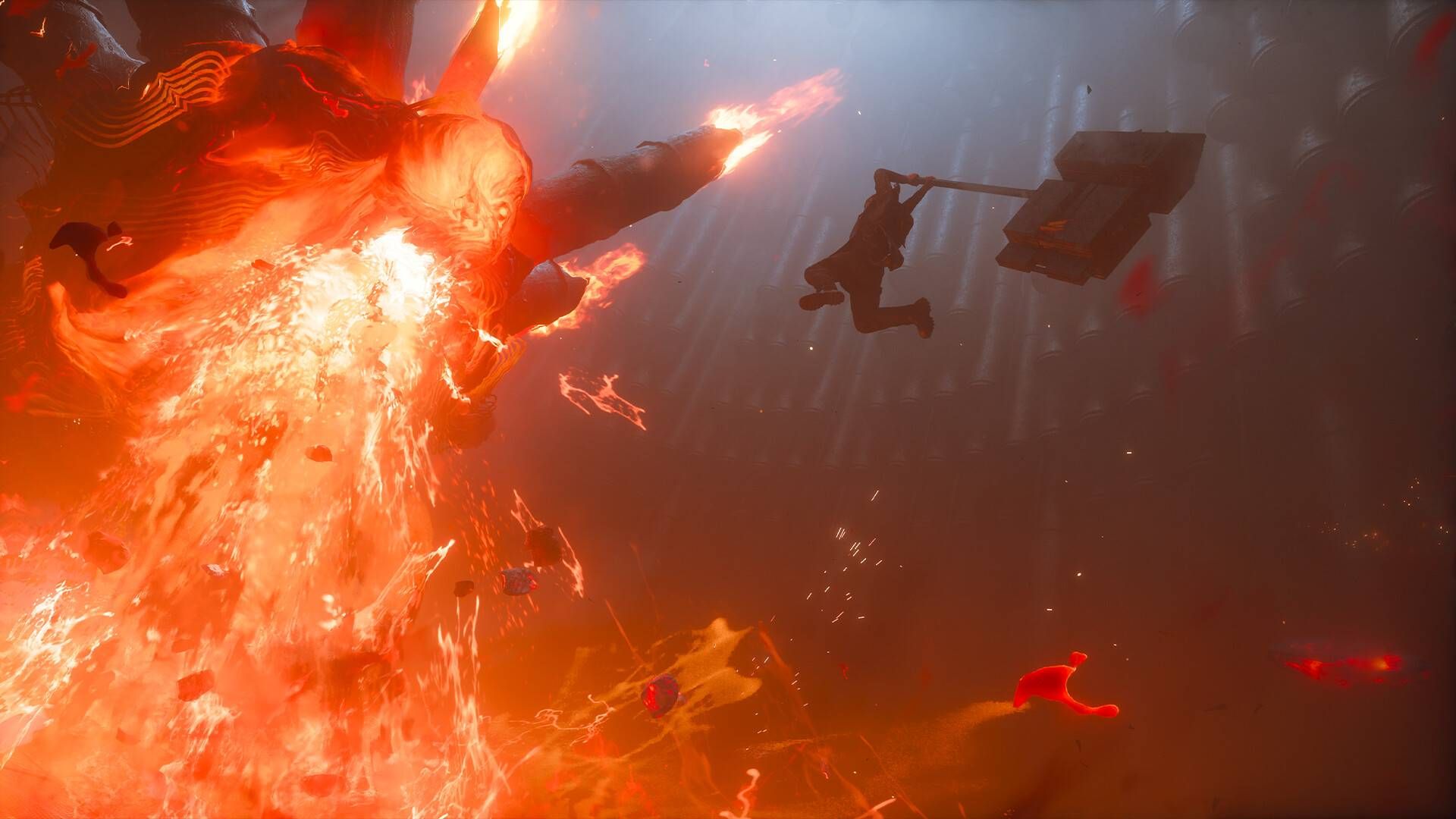
Boss fights have long been a staple of video games, serving as climactic challenges that reward players with progression or rare loot. While some bosses are straightforward encounters, others introduce multi-stage mechanics where enemies transform mid-fight, gaining new abilities and health bars. These additional phases can heighten tension, but when bosses heal during cutscenes while players restart from scratch, the experience shifts from rewarding to punishing. The frustration stems from the broken promise of victory, as defeating a boss’s health pool doesn’t guarantee its end.
The issue is exacerbated in games without established expectations, such as *Control Resonant*, where players encounter multi-stage fights unexpectedly. Even in titles like *Elden Ring*, where such mechanics are anticipated, the lack of checkpoints between phases forces players to endure repeated, identical segments. This design choice turns skill-based challenges into arbitrary barriers, particularly when the first stage is already punishing, leaving little room to adapt before facing the harder second phase.
A rare example of well-executed multi-stage design is Ganondorf’s fight in *The Legend of Zelda: Tears of the Kingdom*, where the transformation enhances narrative impact without artificially extending the fight’s difficulty. The second phase introduces new abilities but remains manageable, proving that multi-stage fights can work when they prioritize storytelling over artificial difficulty spikes. Most implementations, however, fail this balance, relying on player frustration as a substitute for genuine challenge.
The simplest solutions—adding checkpoints between phases or initiating the second stage at half health—could preserve the intended tension without undermining player progress. Without these adjustments, multi-stage bosses risk becoming a source of resentment rather than satisfaction, turning what should be a climactic moment into a slog of repeated effort. Developers must reconsider how these mechanics serve the player experience rather than their own design whims.